

How to Fix Sagging Gutters: 7 Simple Ways to Stop Water Damage
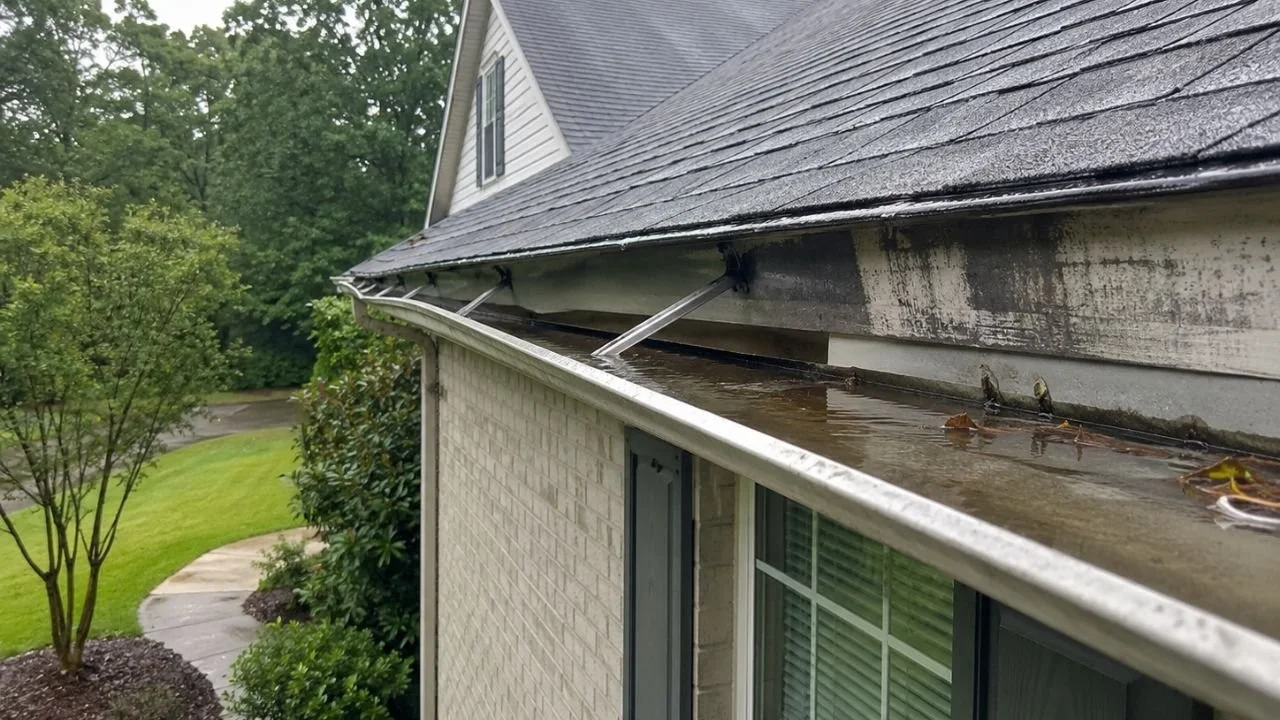
A sagging gutter may not look like a big deal. Then the next heavy rain hits.
Water starts spilling over the edge. It runs down the siding. It can even collect near the foundation. The good news? Many gutter problems can be fixed. But first, you need to know what caused the sag.
Loose hangers, clogged gutters, poor slope, and damaged fascia can all play a part. So, do not just tighten a few screws and call it done. Check the cause first. Then fix the support and restore proper water flow.
How to Fix Sagging Gutters the Right Way
A gutter can sag for many reasons. Loose hangers are common. So are clogs, poor slope, and damaged fascia. The fix depends on the cause. A new screw will not help much if the wood behind it is rotten. A clean gutter will still overflow if the slope is wrong.
Here are seven simple ways to deal with the problem.
1. Clean Out Leaves and Debris
Start with a clean gutter. Leaves can add a lot of weight when they get wet, and debris can also block the downspout. Water then backs up in the gutter. This can make a sag look much worse. So, clean the whole gutter run, and check the downspout opening too.
This is also one reason homeowners ask, why are my gutters overflowing? A clog may be the cause, but a sagging section can also trap water. If the gutter is high or hard to reach, do not risk a fall. A pro can handle the job with the right tools.
2. Check the Gutter Hangers
Gutter hangers help keep the gutter in place. When they loosen, the gutter can start to dip. Look for missing screws or broken hangers, and also check the spots where the gutter pulls away from the house.
If the gutter is still in good shape, new hangers may solve the issue. But there is one catch. The new fastener needs solid wood behind it. If the wood is weak, the gutter may sag again.
National Gutter Alliance provides gutter repair services for issues such as loose gutters and damaged parts.
3. Check the Fascia Board
Sometimes the gutter is not the real problem. The fascia behind it may be damaged. This board helps support the gutter. If it is soft or rotten, screws cannot hold well.
Look for signs such as:
Soft or damaged wood
Cracked paint
Dark water stains
Loose gutter sections
Gaps between the gutter and house
Do not just tighten old screws if the fascia is failing. The weak wood needs to be fixed first. Our team at National Gutter Alliance also offers aluminium fascia replacement.
4. Fix the Gutter Slope
Gutters need a slight slope. This helps rainwater move toward the downspout. A low spot can stop that flow. Water may sit in the gutter instead, which adds weight and can cause more sagging.
Look for places where water pools after rain. The goal is not to make the gutter look perfectly level. It needs the right slope to drain well. If you are not sure about the pitch, get it checked. Rehanging a long gutter can be tricky.
5. Check the Downspout
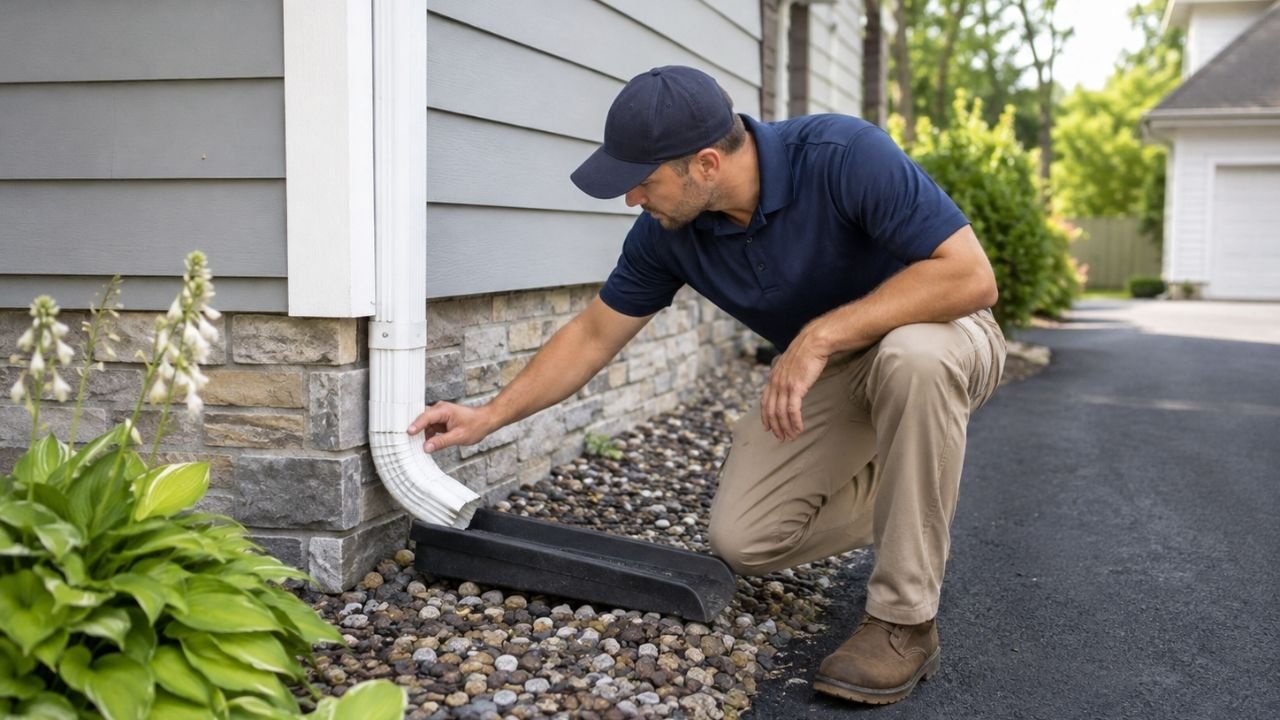
A gutter system is only as good as its drainage. Check the downspout for leaves and dirt, and make sure water can move through it with ease. Also check where the downspout sends the water. It should move water away from the home.
Constant runoff in one spot can create moisture problems. A quick downspout check can also explain some overflow issues. The gutter may be fine, but the outlet may simply be blocked.
6. Repair Small Damage Early
Not every sagging gutter needs a full replacement.
A small leak may be repairable, and a loose section may only need new support. A small hole may also be fixed if the gutter is still sound. The key is to look at the whole system.
National Gutter Alliance offers repair services for damaged gutters. Our team also handles gutter installation when repairs are no longer enough. Waiting can make a small repair more costly. Water rarely stays in one place once it finds a weak spot.
7. Replace the Gutter When Repair Will Not Last
Sometimes, repair is not the best choice. A badly bent gutter may not hold its shape. Heavy rust can weaken the metal. Several damaged sections can also make repeated repairs a poor use of money.
This is when replacement makes more sense.
A new gutter system can give the home a fresh start. It also lets the installer check the slope and support from the start. National Gutter Alliance provides seamless gutter installation. Our company has more than 50 years of experience and over 300 certified installers across 40 states.
When Should You Call a Gutter Pro?
A small gutter issue may look easy from the ground. It can be a different story once the ladder comes out. Some problems need more than a quick DIY fix. This is especially true when the gutter has pulled away from the home.
Call a professional if you notice:
Several sections are sagging.
The gutter keeps overflowing.
The fascia looks soft or damaged.
Water pools near the foundation.
The gutter has large cracks or holes.
The same repair keeps failing.
The gutter is unsafe to reach.
A professional can check the gutter, hangers, fascia, slope, and downspouts together. That is often better than fixing one small symptom at a time.
How to Stop Gutters From Sagging Again
Once the gutter is fixed, keep an eye on it. Gutters work best when they stay clean and firmly attached. Regular checks can also catch small issues before they turn into bigger ones.
A simple routine can help:
Clean gutters at least twice a year.
Check them after heavy storms.
Clear leaves before they pile up.
Look for new sagging spots.
Check downspouts for clogs.
Watch for water near the foundation.
Homes near tall trees may need more frequent cleaning, because wet leaves get heavy fast. Georgia weather can also be rough on gutter systems. A gutter that looks fine in dry weather may show problems during a strong storm.
Is It Better to Repair or Replace Sagging Gutters?
This is often the biggest decision for homeowners. If the gutter is mostly sound, repair may be enough. If the system has widespread damage, replacement may make more sense.
The right answer depends on the gutter's condition. It also depends on the fascia, hangers, slope, and drainage. That is why a proper inspection can be worth it. It helps avoid spending money on a repair that will fail again.
At National Gutter Alliance, our focus is on trained installation crews and quality checks. Our services are also fully insured. For Georgia homeowners, the goal is simple. Keep rainwater moving away from the house. Stop small gutter problems before they become expensive water damage.
A sagging gutter may seem like a small home repair. But when the next Georgia storm rolls in, will that loose gutter still keep water where it belongs?
