

5-Inch vs 6-Inch Gutters: 7 Proven Tips for Georgia Homes

Choosing between 5 inch vs 6 inch gutters depends on your roof, rainfall, and home design. For many Georgia homes, 6-inch gutters handle heavy rain better. But 5-inch gutters can still work well for smaller homes.
Many Georgia homeowners notice water overflowing during storms. Then they start asking, “Are my gutters too small?” It is a common concern. The right choice depends on your home’s needs.
Georgia gets heavy rain, especially during summer storms. Your gutters must handle both light rain and sudden downpours. The right gutter size helps move water away from your roof and foundation. It also helps prevent leaks and water damage.
At National Gutter Alliance, our team helps Georgia homeowners choose the right gutter system. They provide professional installation and replacement services built for each home.
Why Gutter Size Matters for Georgia Homes
Your gutters do one important job. They control where rainwater goes. When gutters are too small, they can overflow. Water may run down your siding or collect near your foundation.
Many homeowners notice this during the first big storm after installation. The gutters look fine in dry weather. Then heavy rain arrives, and water starts pouring over the edges. That is when people ask, “Would a larger gutter have prevented this?”
Often, the answer is yes. But bigger is not always better. A small home with a simple roof may not need the extra capacity of a larger system.
The right choice depends on:
Roof size and slope
Amount of rainfall your home receives
Number of downspouts
Nearby trees and debris
Existing drainage problems
5-Inch vs 6-Inch Gutters: What Is the Difference?
The main difference is water capacity. A 5-inch gutter is smaller and works well for many standard homes. It is a common choice for houses with simple roof designs. A 6-inch gutter is wider and can carry more water during heavy storms.
For instance, a small road handles normal traffic, but a wider road handles busy times better. The same idea applies to gutters. A larger system gives rainwater more space to move. This can help prevent backups during Georgia’s heavier storms.
7 Proven Tips to Choose Between 5 Inch vs 6 Inch Gutters for Georgia Homes
Choosing the right gutter size is not just about measurements. It is about how well your home can handle Georgia’s changing weather.
Before making a decision, look at your roof, rainfall, drainage, and long-term protection. These tips will help you choose a gutter system that fits your home.
Tip 1: Check Your Roof Before Choosing Gutters
Your roof decides how much water reaches your gutters. A large roof collects more rain, and a steep roof sends water down faster. This means two homes with the same size may need different gutter systems.
Before choosing, ask:
Does my roof have large sections?
Are there roof valleys where water gathers?
Do my current gutters overflow often?
These details help you make a better choice.
Tip 2: Think About Georgia Storms
Georgia weather can change quickly. A sunny morning can become a heavy rainstorm by afternoon. Your gutters need to handle those sudden changes. This is why many homeowners choose 6-inch gutters. The extra space can help during strong rainfall.
Still, every home is different. A professional check can tell you what your property really needs.
Tip 3: Understand the Price Difference Between 5 Inch and 6 Inch Gutters
The price difference between 5-inch and 6-inch gutters depends on your home size, material, and installation needs. In most cases, 6-inch gutters cost more. They use more material and may need larger parts. The higher cost can make sense if your home faces heavy water flow.
Think about the long-term value. A small increase in installation cost may help prevent expensive repairs later. The better question is not, “Which option is cheaper?” Ask, “Which option protects my home better?”
Tip 4: Look at Your Whole Gutter System
A gutter is only one part of the system. Downspouts also matter. They move water away from your home. Even large gutters may fail if water has nowhere to go.
A proper inspection should check:
Gutter size
Downspout placement
Drainage direction
Roof design
Foundation protection
Every part needs to work together.
Tip 5: Choose Professional Gutter Installation
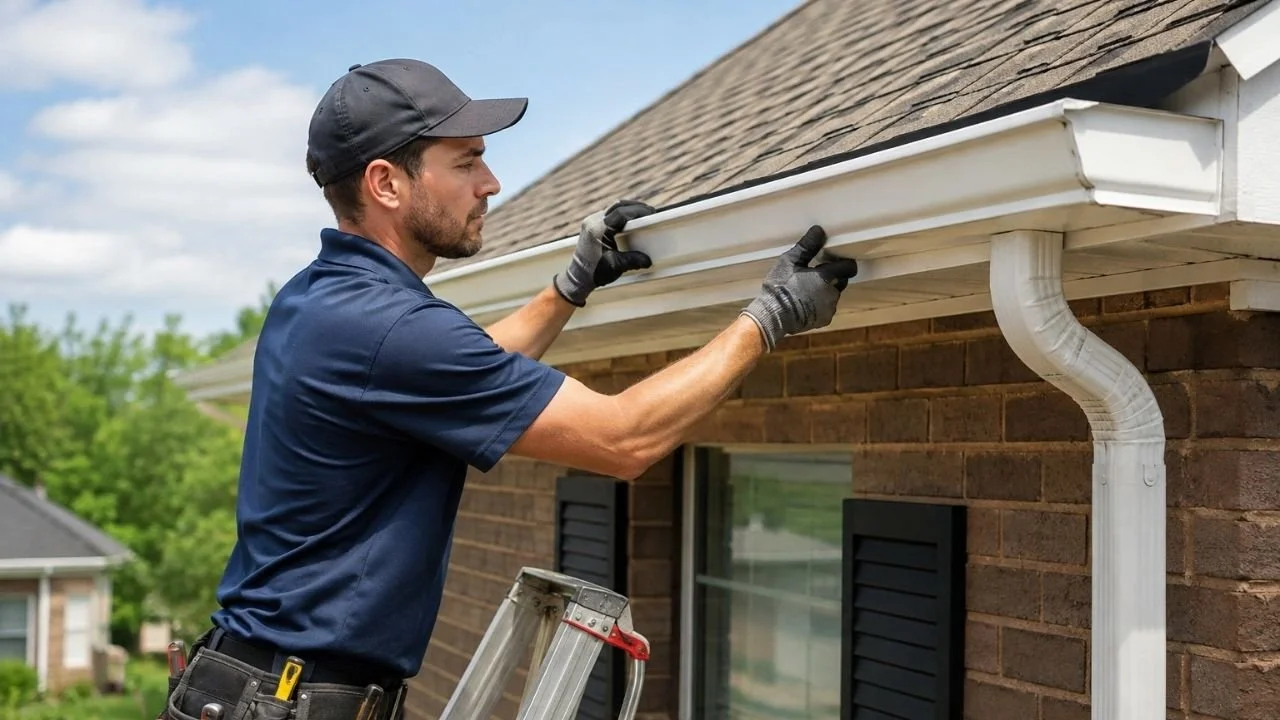
Gutters may look simple, but installation mistakes can cause problems. A small slope issue can stop water from flowing correctly. Loose gutters can pull away from your roof. Professional installation helps your system work as it should.
National Gutter Alliance provides expert gutter installation services designed around each property’s needs. A good installer does more than hang gutters. They study your home and recommend the right setup.
Tip 6: Know When Gutter Replacement Is Needed
Sometimes the problem is not gutter size. Sometimes your gutters are simply old.
Signs you may need replacement include:
Cracks or holes
Sagging sections
Rust
Frequent leaks
Water overflowing often
Replacing damaged gutters can improve your home’s drainage and protection. National Gutter Alliance offers gutter replacement services to help homeowners restore their gutter systems.
Tip 7: Think Beyond the First Cost
A gutter system is a long-term investment. Choosing the cheapest option may save money today. But it may cost more if water damage appears later. The right gutter size can protect your home for years.
It is worth asking:
“Will this system handle the next big Georgia storm?”
That question matters more than the first price you see.
Which Option Is Right for Your Georgia Home?
The right gutter size depends on your home’s design and how much rain your roof collects. There is no single answer that works for every property.
A 5-inch gutter can be a good fit for:
Smaller homes with simple roof designs
Homes with less water runoff
Properties that do not face frequent overflow issues
A 6-inch gutter may be the better choice for:
Larger homes with bigger roof areas
Steeper roofs that move water quickly
Georgia homes that face heavy rainfall
Properties where smaller gutters often overflow
Think about your home during a strong Georgia storm. Does water flow smoothly through your gutters, or does it spill over the edges? That small detail can tell you a lot about whether your current system is the right size. The best choice is not about picking the biggest gutter. It is about choosing a system that matches your roof, rainfall, and drainage needs.
A professional gutter inspection can help you make the right decision without guesswork. National Gutter Alliance provides premium gutter installation and replacement services across Georgia to help homeowners protect their homes with reliable solutions. Gutters may seem easy to forget when the sky is clear, but their true value shows when heavy rain starts falling and your home stays protected.
