

Half Round vs K Style Gutters: 6 Key Differences to Know
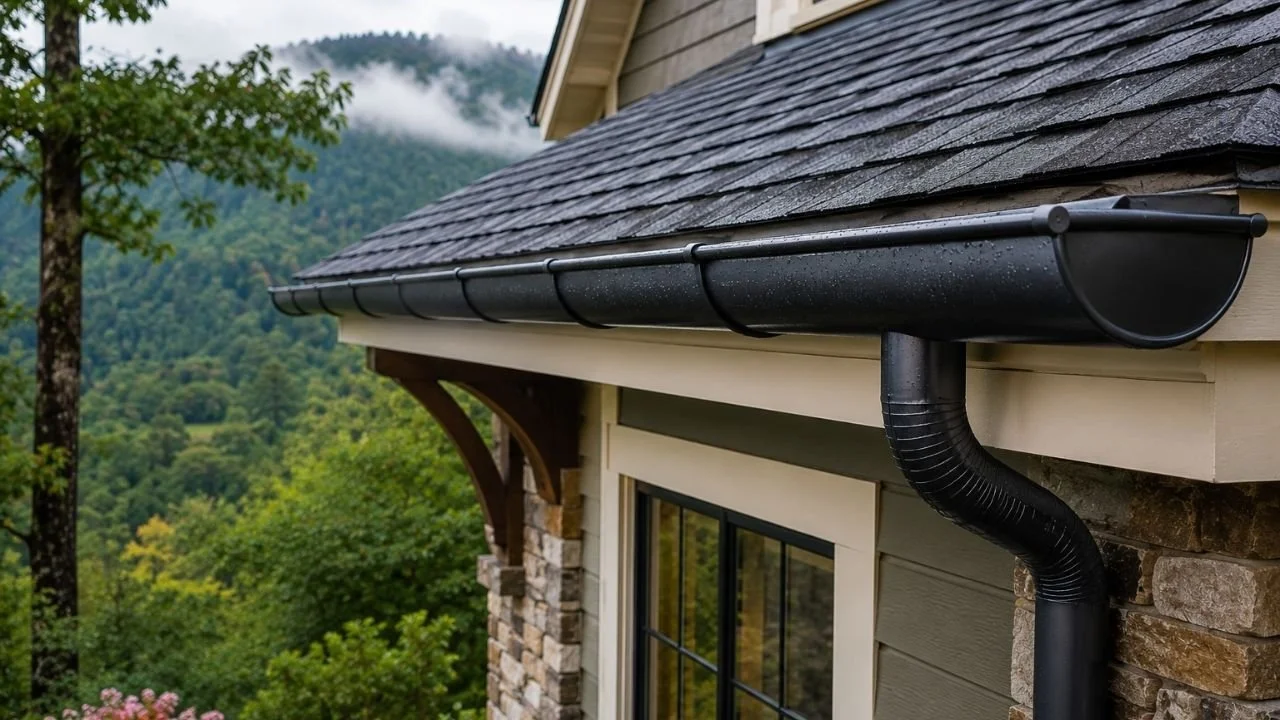
One heavy Georgia storm can quickly expose a weak gutter system. When rain pours off the roof, every detail starts to matter. That is why the half round vs k style gutters choice deserves thought. K-style gutters have a shaped front and suit many modern homes. Half-round gutters have a smooth curve and a more classic look.
Both styles can work well with the right setup. Roof size, rainfall, tree cover, and maintenance all play a role. These six differences can help you choose with more confidence.
Half Round vs K Style Gutters: Quick Comparison
| Feature | Half-Round Gutters | K-Style Gutters |
|---|---|---|
| Shape | Smooth and curved | Flat back with shaped front |
| Look | Traditional and classic | Modern and familiar |
| Home style | Great for historic or custom homes | Fits many modern homes |
| Cleaning | Smooth inside surface | Corners may collect debris |
| Materials | Aluminum, copper, steel | Available in several materials |
| Best for | Style-focused homes | Everyday residential use |
1. Half Round vs K Style Gutters Have Different Looks
The biggest difference is the shape. Half-round gutters look like a tube cut in half. Since their design is simple, they give the roofline a softer look. K-style gutters have a more finished, decorative look. Their front edge can look a bit like crown molding. That helps them blend naturally with many fascia boards.
So, the style of your home really matters here. K-style gutters often suit newer suburban homes. Half-round gutters may feel more at home on older properties.
A simple way to think about it:
Choose half-round for a classic look.
Choose K-style for a familiar modern look.
Consider copper when appearance matters.
Consider the whole roofline before deciding.
2. Their Shape Affects Water Flow
Gutters have one simple job: move rainwater safely away from your home.
Half-round gutters have a smooth shape that supports steady water flow. K-style gutters have a detailed profile and work just as well. Still, gutter style is only one part of the decision. Roof size, rainfall, slope, and downspout placement also affect performance. So, do not only ask which gutter holds more water. Ask which gutter system works best for your home.
AtNational Gutter Alliance, we help homeowners choose the right gutter setup. Our services include installation, cleaning, repair, replacement, and gutter guards. A professionalgutter installation helps ensure proper sizing and reliable drainage.
3. K-Style Blends In More Easily
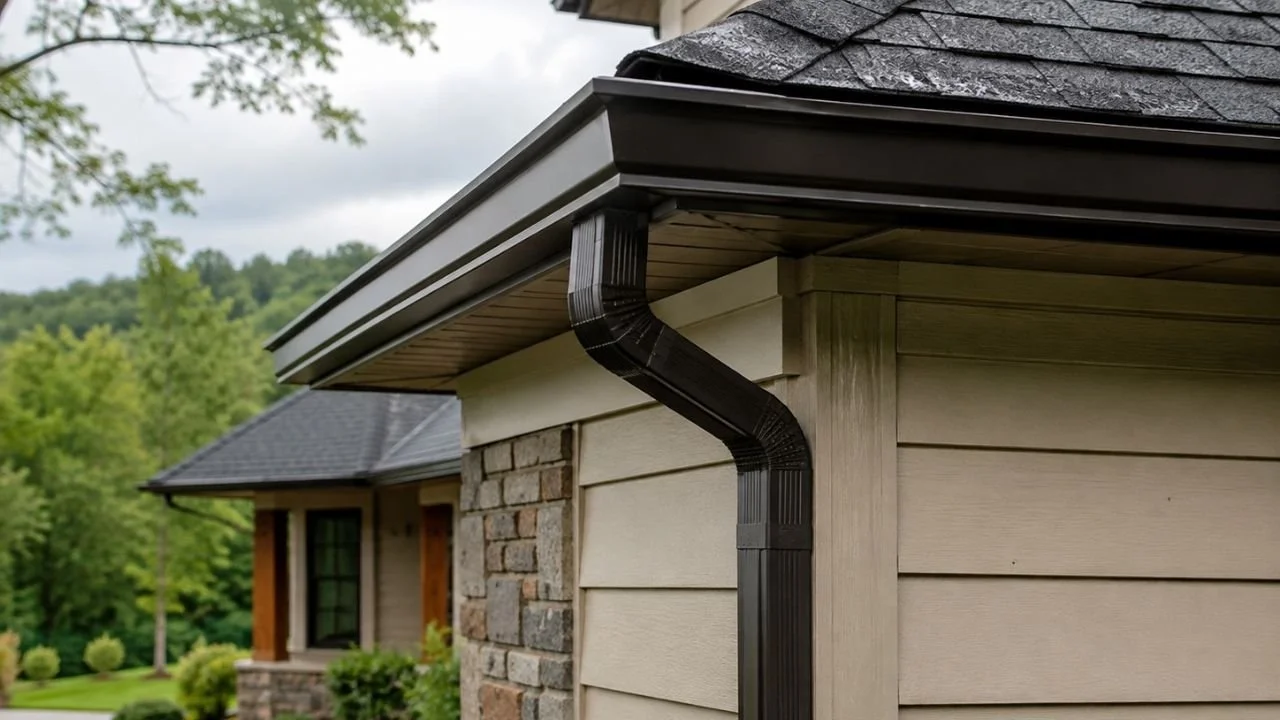
Many homeowners do not want their gutters to stand out. K-style gutters often work well for that goal. Their flat back sits neatly against the fascia. Their front shape also looks like part of the trim. Half-round gutters are easier to notice. On the right home, they become part of the design.
Picture a brick home with classic trim. Half-round copper gutters may add charm. Now picture a newer home with clean siding. K-style may look more natural. This is one reason the k style vs half round gutters choice should not be based on price alone. The gutter should look like it belongs there.
4. Cleaning Needs Can Be Different
Georgia homes often collect leaves, pine needles, and roof debris. Half-round gutters have a smooth interior with fewer sharp corners. That shape can make routine cleaning feel a little simpler. K-style gutters also work well with regular maintenance. But debris can still build up inside neglected sections.
Watch for these common signs that your gutters need attention:
Water spills over the gutter during heavy rain.
Plants or weeds start growing inside the gutter.
Sections begin sagging or pulling from the roofline.
Downspouts drain slowly or stop flowing completely.
Water starts collecting near your home's foundation.
Homes surrounded by trees may need cleaning more often. Georgia's pine needles can create stubborn clogs after windy weather. Professionalgutter cleaning removes packed debris before bigger problems develop. It can also help spot damage during routine service.
5. Repair Needs Depend on the Damage
A damaged gutter does not always need full replacement. Sometimes, one loose section is the only real problem. A small leak may also need a simple repair. But repeated leaks can point to a larger issue. Widespread sagging can also mean the system is failing. In those cases, replacement may offer better long-term value. The key is knowing how much damage already exists.
At National Gutter Alliance, we offer professionalgutter repair for damaged systems. They also providegutter replacement when repairs no longer make sense.
Before making that choice, ask a few simple questions:
Is the damage limited to one small section?
Do the same leaks keep coming back?
Are gutters pulling away from the fascia?
Does rainwater collect beside your foundation?
Does the current system struggle during heavy rain?
These answers can make the next step much clearer.
6. Match the Gutter Style to Your Home
There is no universal winner between half-round and K-style gutters. Half-round gutters suit homes with a more classic appearance. They often look right on historic or custom properties. K-style gutters usually fit newer homes more naturally.
Before choosing, think about these six practical factors:
Home styleChoose a profile that suits your home's exterior.
Roof sizeLarger roofs may need more drainage capacity.
Local rainfallGeorgia storms can send heavy water toward gutters quickly.
Nearby treesMore trees usually mean more leaves and cleaning.
Current conditionA sound system may only need minor repairs.
Installation qualityProper sizing and slope help gutters drain correctly.
Material also matters when planning a new gutter system. Half-round gutters are available in several material options. Homeowners can exploreNational Gutter Alliance for professional gutter services across Georgia.
Half-Round or K-Style: Which One Fits Your Home Best?
The half round vs k style gutters decision starts with your home. Half-round gutters bring a softer and more classic appearance. K-style gutters blend easily with many modern rooflines.
But looks should never make the whole decision. Roof size, local rain, tree cover, and upkeep matter too. Good installation also plays a major role in performance. Even the right style can fail with poor sizing. Think about how your home handles storms right now. Do gutters overflow, sag, or clog after heavy rain? Those clues can tell you what the next system needs.
The right gutter should fit your home, handle Georgia rain, and make maintenance easier for years.
