

How Often Should I Clean Gutters: 7 Warning Signs Your Gutters Are Failing

Most homes should have their gutters cleaned twice a year. The right schedule may vary based on nearby trees, local weather, and roof conditions.
Spring cleaning removes winter grit, seeds, and small twigs. Fall cleaning clears leaves before rain, snow, and ice arrive. Homes near pine trees or thick woods may need service every three months. Needles and debris can block downspouts fast. Check the gutters after strong wind, hail, or heavy rain too. One hidden clog can send water down the siding and toward the foundation.
How Often to Clean Gutters Based on Your Home
Why does timing matter so much? Gutters catch roof water and send it away from the house. When leaves block that path, water spills where it should not. It can soak trim, stain walls, wash out beds, or pool near the base.
A twice-a-year plan fits many homes in America. Spring service clears buds, seed pods, and winter grit. Fall service removes leaves before cold rain or snow. In places with a hard freeze, clean them before the first snow.
Local yards change how often to clean gutters. A shaded Oregon home may gather moss and fir needles. A Georgia roof may fill with pine straw after one rough storm. In Arizona, dust and roof grit can still clog a tight outlet.
Use this simple guide:
Twice a year: Best for most homes, in spring and late fall.
Every three months: Smart for homes under pines or thick tree cover.
After a big storm: Check for sticks, roof grit, dents, and blocked drains.
Before the first freeze: Clear the system in snow and ice zones.
With gutter guards: Check the roof edge and downspouts at least once a year.
7 Warning Signs Your Gutters Are Failing
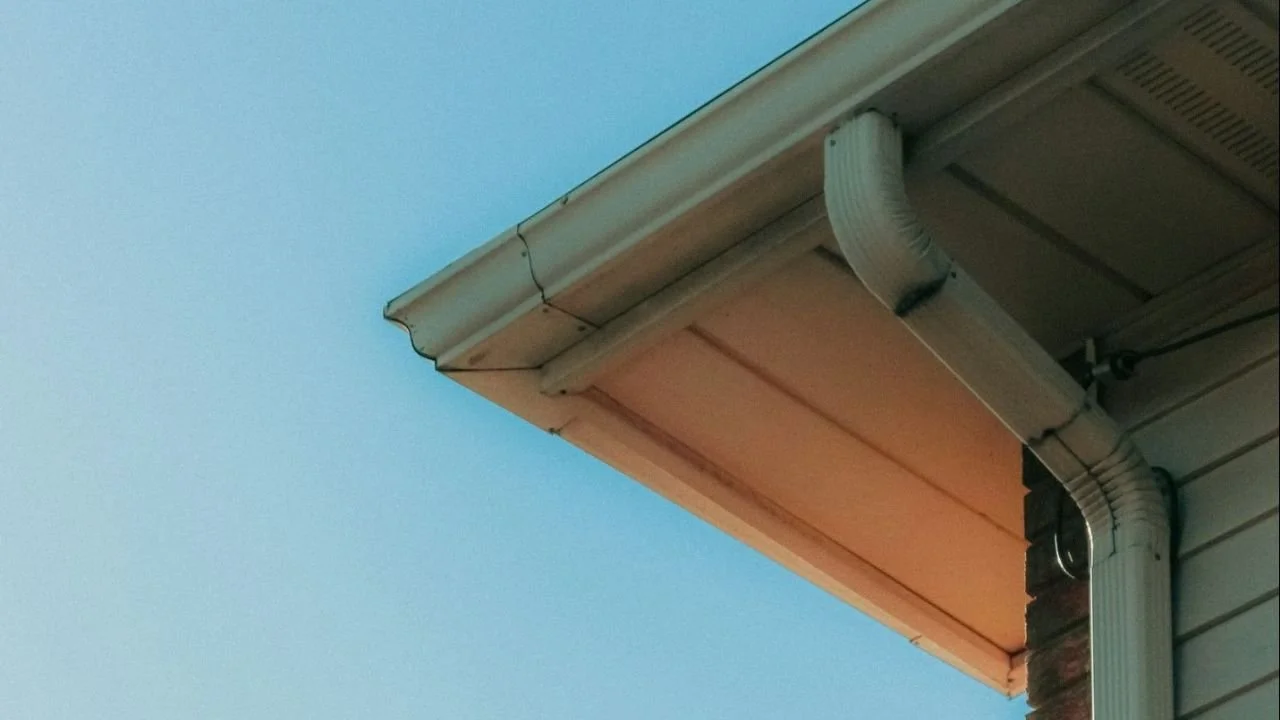
A gutter may look fine from the drive. Rain tells the truth. Watch the roof edge from the ground during a safe, steady shower. These seven signs mean the next clean should not wait.
Water spills over the front: This is the clearest sign of a clog. Leaves may fill the run, or the downspout may be packed. If the gutter turns into a small porch waterfall, book service soon.
Weeds grow in the gutter: A tiny green sprout may look funny. It means wet dirt and old leaves have formed a seed bed. That weight can strain the gutter and slow the flow.
The gutter sags or pulls away: A low spot may hold wet waste and still water. Loose hangers or weak fascia may also be at fault. Cleaning may help, but this sign needs a close check.
Dark marks stain the siding: Green streaks, brown lines, or peeling paint point to repeated spills. The wall may dry between storms, yet the harm keeps growing. This is more than a looks issue.
Puddles sit near the base: Downspouts should move water away from the home. A wet patch may mean a clog, leak, short outlet, or poor slope. That one muddy corner is trying to tell you something.
Birds, bugs, or mice keep showing up: Damp leaves make a warm, safe nest. A nest can then block one whole section. If the roof edge seems busier than the bird feeder, act fast.
Cracks, rust, or open seams appear: Small drips can grow into large leaks. One joint may need a seal or new fastener. Wide rust, deep sagging, or weak fascia may call for new gutters.
These signs match the main faults noted by home care experts. Overflow, plant growth, sagging, and clear debris all point to late service. Cracks and gaps may also mean the system needs repair, not just a clean.
Cleaning, Repair, or New Gutters?
This is the real choice. A firm gutter with no holes may only need a clean and flush. One loose hanger or leaky joint may need a small repair. But many low spots or split runs can make new gutters the wiser to buy.
Think back to the last two storms. Did water leave through each downspout? Did one short run fail, or did the whole roof edge spill? Those facts help show if the cause is a clog, bad pitch, poor size, or old metal.
A good service visit should answer four points:
Are all gutters and downspouts clear?
Does each run slope toward an outlet?
Are the fascia, seams, and hangers sound?
Will cleaning, repair, guards, or new gutters give the best value?
How Much Does it Cost to Clean Gutters?
The cost to clean gutters often falls near $100 to $425 for many U.S. jobs. The quote can be lower or higher. Price grows with more gutter length, extra floors, steep roofs, hard access, packed waste, and needed repairs. Taller homes tend to cost more.
Do not judge a quote by price alone. Ask if the crew will clear and flush each downspout. Ask how they will remove the waste and check for leaks. A cheap clean that leaves one blocked drain is no deal.
The cost to clean gutters also needs a safety check. A one-story ranch is not the same job as a three-story home on a slope. Wet roofs and weak gutters add risk. For many owners, a trained, insured crew is worth the fee.
When Gutter Guards or New Installation Make Sense
Gutter guards may be a smart choice for homes that need frequent cleaning. But guards do not make gutters care-free. They still need a check now and then. Yet a good fit can keep out much of the leaf load and cut how often to clean gutters.
The fit matters. Roof pitch, gutter size, tree type, and local rain all shape the choice. A screen that works in a dry yard may fail under pine straw or heavy oak leaves. That is why an on-site check beats a box picked from a shelf.
National Gutter Alliance links homeowners with insured gutter pros in more than 40 states. Our listed work includes seamless gutters, gutter guards, and aluminium fascia repair. We also offer a free quote and home check. These checks can show whether the gutters need cleaning, repair, or replacement.
If your home faces repeated clogs, review NGA’s gutter guard installation service. The installer checks the roof shape, gutter type, climate, and tree cover before a system is picked. Guards cut the need for frequent cleaning but do not end the need for a check.
Book Service Before the Next Hard Rain
Do not wait for a brown mark on the ceiling. Do not wait for a flower bed to wash away. If one of the seven signs is clear, ask for a pro check, photos, and a written scope. Then compare the value of a clean, repair, guard, or new install.
The safest answer to how often to clean gutters is simple. Start with spring and fall, then tune the plan to the home. A sound gutter should move water with no fuss and no front-door shower. When the next storm hits, will the system carry the load or give the same warning again?
