

How Long Do Gutters Last? 5 Factors That Change Their Lifespan
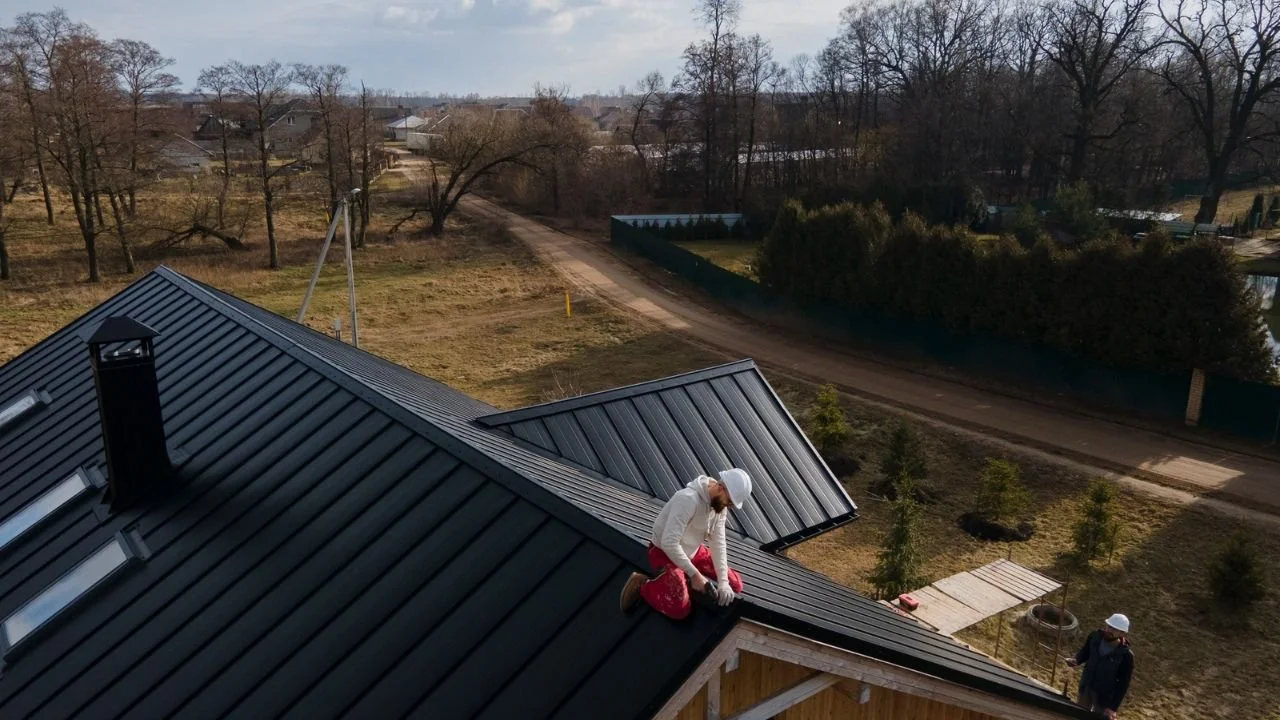
Gutters often last 20 to 30 years, though vinyl may fail sooner and copper can serve a home for 50 years or more. It depends on material, weather, installation, upkeep, and nearby trees. A clean, well-fitted system can reach the high end of its range. A clogged or loose one may fail years early.
So, how long do gutters last in your house? Age gives a rough clue, but condition tells the real story. A 12-year-old gutter packed with wet leaves may be worse than a clean 25-year-old aluminium system. Check before water stains reach the siding or soil starts to wash away.
How Long Do Gutters Last by Material?
Material sets the basic life span. It also affects cost, weight, rust risk, and how the gutter reacts to heat or cold. These are estimates, not promises. Weather and care can move the date either way.
Aluminium: 20 to 30 years. It is light, rust-resistant, and common on U.S. homes.
Galvanized steel: 15 to 20 years. It is strong, but rust can form as its zinc coat wears.
Vinyl or PVC: 10 to 20 years. It costs less, yet hard freezes and high heat can make it crack or warp.
Copper: 50 to 100 years. It costs more and needs skilled fitting, but it can last for decades.
5 Factors That Affect How Long Gutters Last
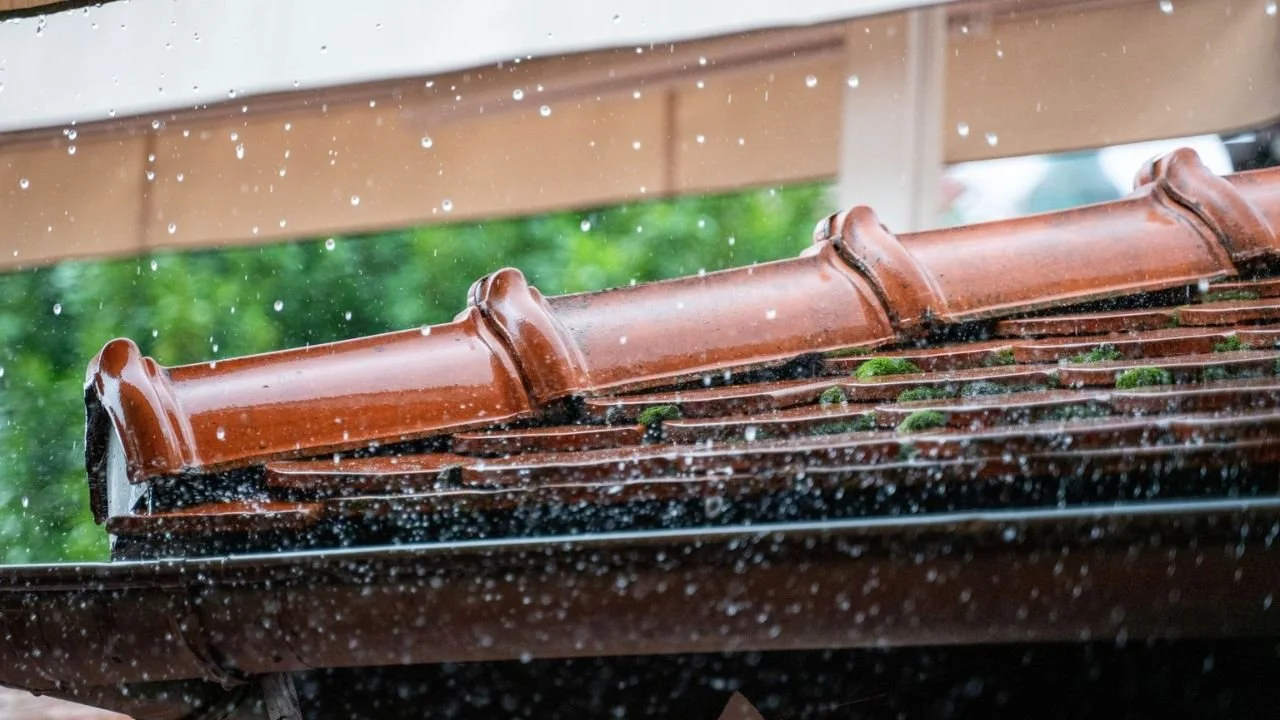
A gutter’s lifespan depends on more than its age or material. Weather, installation, cleaning habits, roof design, and nearby trees can all help it last longer or cause it to fail early.
1. Material Quality Changes the Clock
Two aluminium gutters can age in very different ways. Thin metal dents more easily under ladders, hail, branches, and packed snow. Good coating, sound fasteners, and the right gauge all help. The lowest bid is not always the lowest cost.
Ask one plain question: “Is this made for my weather, or just my budget?” A Gulf Coast home faces salt air and hard rain. A Minnesota home faces ice and snow. The best material must fit the place, not just the paint.
2. Weather Can Add Years or Take Them Away
Sun, wind, rain, ice, and salt all leave a mark. Arizona heat can make vinyl brittle. Freeze and thaw cycles can strain joints and hangers. Fast rain in Florida can expose poor pitch or small downspouts.
A storm does not need to tear a gutter off to cause harm. A branch may bend one short area, then water sits there after each rain. That dip becomes a weak spot. Check the system after hail, high wind, ice, or a tropical storm.
3. Installation Quality Has a Huge Effect
A gutter needs the right slope, support, outlet size, and downspout path. If it sits too flat, water stays and adds weight. Loose hangers can let it bow from the fascia. This is why how long do gutters last is also an installation question.
We at National Gutter Alliance provide seamless gutter installation, gutter guard installation, and aluminium fascia replacement through trained professionals. Our team serves homes across 40 states, is fully insured, and offers a lifetime warranty on materials and labor.
4. Cleaning and Small Repairs Protect the System
Wet leaves are heavy. Add pine needles, roof grit, seed pods, and mud, and the gutter carries a load it should not store. Clogs also trap water near seams and fasteners. In cold areas, that water can freeze and push parts apart.
Most homes need cleaning at least twice a year, in spring and fall. Homes under pine, oak, maple, or sweetgum trees may need more visits. It is advisable to opt for two to four cleanings a year.
A simple care plan helps:
Clear leaves and roof grit before they pack down.
Flush each run and downspout to test flow.
Tighten loose hangers before sagging gets worse.
Seal small leaks while the metal is sound.
Trim branches that scrape or drop heavy debris.
Add gutter guards where clogs keep coming back.
Gutter guards cut debris, but they do not make a system care-free. They still need checks, and the best guard depends on nearby trees. National Gutter Alliance notes that guard type and fitting quality affect flow and long-term results.
5. Roof Shape and Nearby Trees Matter
A steep roof sends more water into the gutter in less time. Roof valleys can pour a fast stream into one short section. If that run is too small, water may jump the edge even when it is clean. This can look like a clog, but the real issue is size.
Trees change the care plan too. Pine needles slip through wide screens. Oak tassels form thick mats. Maple seeds find every gap, as if they pay rent. Repeat clogs may mean the guard, outlet, or downspout needs a better design.
Signs of Bad Gutters: Repair or Replace?

The signs of bad gutters are often easy to see from the ground. Yet one small leak does not always mean the full system is done. A loose hanger or open seam may need a repair. Damage across several runs often points to replacement.
Watch for these warning signs:
Sagging or pulling away from the roofline
Cracks, holes, rust, or split seams
Water streaks behind the gutter or on fascia
Overflow during normal rain
Peeling paint or soft wood near the roof edge
Puddles or soil washout near the foundation
Failure that returns after cleaning or repair
These signs of bad gutters match guidance from This Old House and Angi. Both point to sagging, cracks, leaks, overflow, stains, and peeling paint as reasons to seek repair or replacement.
How Long Do Gutters Last With Professional Care?
Think about the real choice. Is it safe to climb a two-story home with wet leaves underfoot? Can a DIY install hold the right pitch across a long roof edge? Will the downspout send water far enough from the foundation?
A professional visit can sort cleaning, repair, guards, fascia work, and replacement into the right order. New gutters will not fix rotten fascia, and guards will not fix poor slope. At National Gutter Alliance, we complete most home installations in just one day. We also offer a free consultation and quote, so you can book an inspection and find the right solution for your home.
If the system only needs cleaning, ask what local maintenance support is available. If it sags, leaks in many spots, or pulls from the home, request an installation quote before the next hard storm.
How long do gutters last when they are well chosen and cared for? Often long enough that homeowners stop thinking about them, which is just what a good gutter should do. A twice-yearly check, quick repairs, and sound installation can turn a weak spot into decades of calm.
