
Leaf Filter vs Leaf Guard: 6 Facts Before You Spend a Dollar
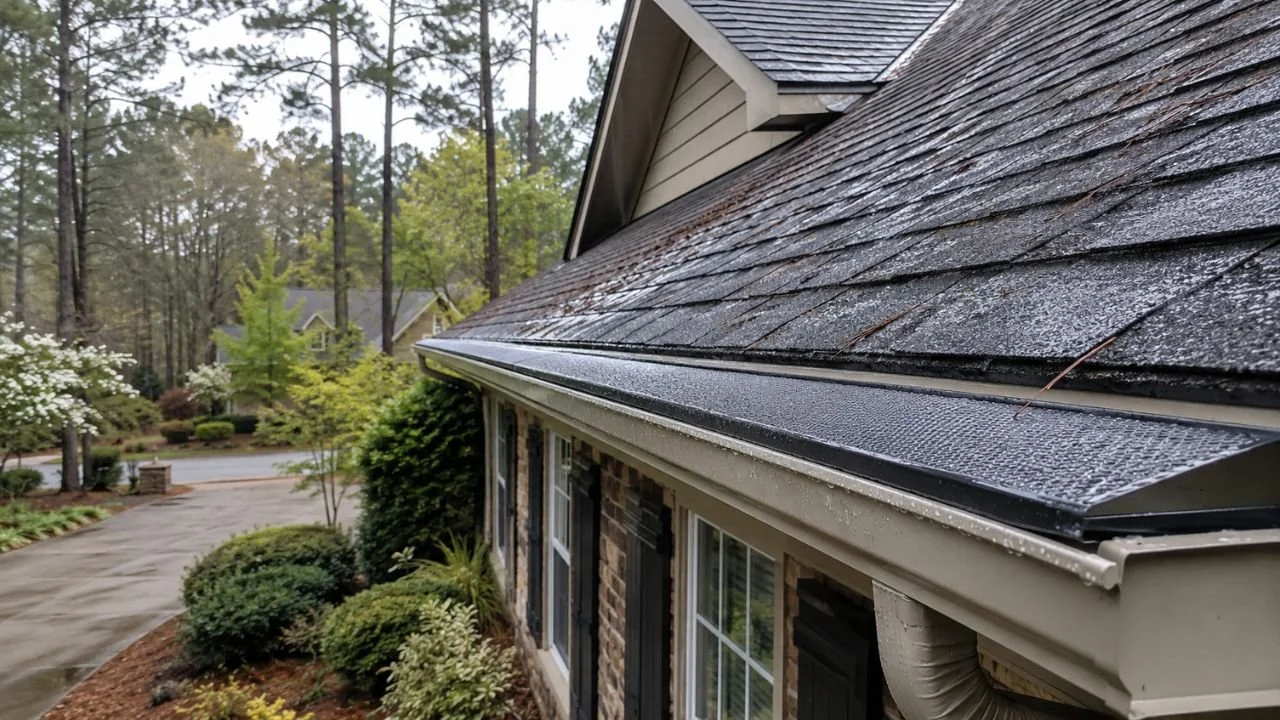
A clogged gutter may not seem serious until a heavy Atlanta storm arrives. Water can spill over the edge, damage the fascia, and collect near the foundation.
The leaf filter vs leaf guard choice is simple. The leaf filter adds a fine mesh cover to gutters that are still in good shape. Leaf guard replaces the old gutters with a new covered system. Atlanta homes deal with pine needles, oak leaves, pollen, and heavy rain. Before choosing, compare these six key facts about cost, care, debris, and installation.
Six Key Differences Between Leaf Filter and Leaf Guard
Both systems help control debris, but they work in very different ways. These six points explain how they compare in design, performance, cost, upkeep, and fit for Atlanta homes.
1. Leaf Filter vs Leaf Guard Solve Different Problems
Leaf filter is a micro-mesh guard fitted over new or existing gutters. Its steel screen sits on a uPVC frame and blocks leaves, needles, seed pods, pollen, and roof grit.
Leaf guard is a full gutter replacement. Its aluminium gutter and curved hood form one system. Rain follows the curve into the trough, while larger debris slides past the edge.
The core differences are simple:
LeafFilter keeps your current gutters.
LeafGuard replaces the full system.
LeafFilter filters rain through mesh.
LeafGuard guides rain around a hood.
LeafFilter suits gutters worth saving.
LeafGuard suits homes needing new gutters.
A cover cannot repair rust, bad pitch, loose hangers, or rotten fascia. Check the home before choosing the product.
2. Your Old Gutters May Decide for You
Are the gutters straight, firm, and draining well? If yes, Leaf filters may be practical. Damaged gutters change the answer. A new guard on a weak system is like fresh paint on damp wood. It looks tidy, but the fault remains.
Look for these warning signs:
Water leaks from seams or corners.
Long runs sag between hangers.
Gutters pull away from the fascia.
Paint peels near the roof edge.
Rain spills over during normal storms.
Puddles form beside the foundation.
Leaf guards may offer more value when several problems appear. The installer can start with new runs, outlets, and downspouts sized for the roof. Soft wood may not hold fasteners safely. Repairing it first helps prevent another bill.
3. Leaf Filter Is Strong Against Fine Debris
Atlanta pollen leaves a yellow film on cars, decks, and roofs. Leaf filter’s fine mesh is designed for this debris. Its small openings block material that may pass through wider screens. That helps homes beneath tall pines, where needles often settle inside open gutters.
Leaf filter’s main strengths include:
Good control of pine needles
Protection from small leaves and seed pods
A barrier against pollen and roof grit
Installation on gutters that remain sound
Fine mesh still needs care. Pollen, dust, and wet leaf bits can form a layer on top. During hard rain, that layer may slow water or push runoff across the screen. Expect less cleaning, not zero upkeep. A light rinse, soft brush, or seasonal check may still be needed.
Not Sure Which Gutter Guard Fits Your Home?
Every roof handles rain and debris differently. At the National Gutter Alliance, we look at your tree cover, roof pitch, current gutters, and local rain levels before suggesting a solution. Explore our professional gutter guard services to learn about your options and request a free quote for your Atlanta home.
4. LeafGuard Manages Water Differently
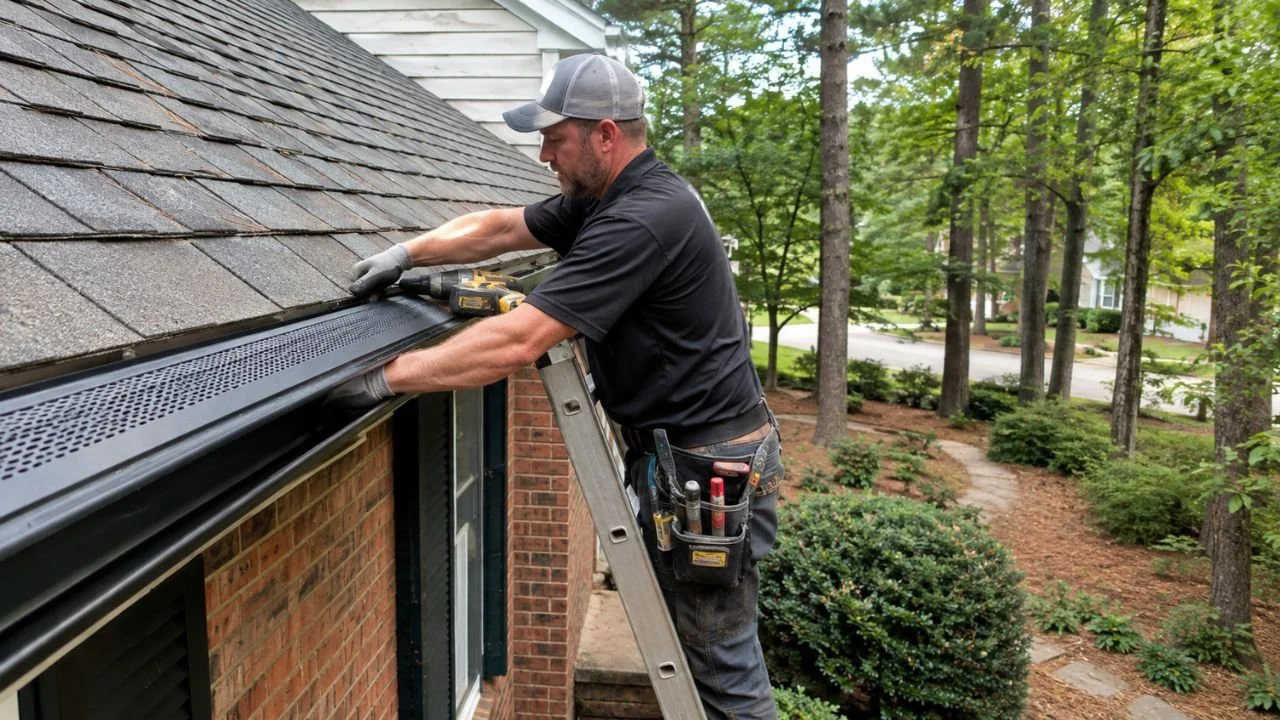
Leaf guard does not filter rain through a screen. Water clings to its curved hood and flows into the gutter. Larger leaves move over the front. This design can suit a home that needs new gutters and built-in debris control. It may also help when long roof runs send high water volume toward one section.
Yet roof shape matters. A steep valley can throw a strong stream at a short gutter run. No hood can fix a small outlet or badly placed downspout. Wet pine straw or leaf clumps may sit on the curve until wind or dry weather moves them.
5. Leaf Filter vs Leaf Guard Pros and Cons Include Cost
The leaf filter vs leaf guard pros and cons are easier to judge when both quotes cover the same work. LeafFilter may cost less because the old gutters stay. LeafGuard costs more because it includes replacement.
Still, the lowest price is not always the best deal. New hangers, seam repairs, fascia work, or larger downspouts can raise the LeafFilter bill.
Leaf guard has a higher starting cost. But when new gutters are needed, doing the full job once may cost less than repairing now and replacing later.
Check every quote for:
Old gutter removal and disposal
Roof-edge and gutter cleaning
Fascia inspection and repair
Gutter and downspout sizes
Corners, outlets, and fasteners
Product and labor warranty terms
Final cleanup after installation
Ask for all details in writing. Comparing only bottom-line prices is like comparing a hotel room with a full holiday package.
6. Atlanta Trees and Storms Change the Answer
The right leaf filter vs leaf guard option often depends on what hangs above the roof. Pines drop needles and dust. Oaks drop leaves, twigs, and seed bits. Mixed tree cover brings all of them.
Rain patterns matter too. A gutter may handle light rain, then spill over when a summer storm sends water through one roof valley. Overflow can soak fascia, stain siding, wash out beds, and leave water near the foundation.
A local inspection should track the full path:
Where rain lands on the roof
Which valleys carry the most water
Where leaves and needles collect
Whether the gutter has enough capacity
How fast each downspout drains
Where water goes at ground level
The guard is only one part of the system. Good drainage also needs proper pitch, firm fascia, clear outlets, and downspouts that lead water away.
Six Questions to Ask Before Choosing a Gutter System
A smart decision starts with the house, not a sales pitch. These six questions show which option fits your roof and budget.
Are the gutters worth saving? Sound gutters may suit LeafFilter. Worn or leaking gutters may point toward LeafGuard or replacement.
What lands on the roof? Pine needles, pollen, oak leaves, twigs, and grit behave differently.
Does water overshoot in hard rain? The gutter, outlet, or downspout may be too small.
Is the fascia firm and dry? Hidden wood damage should be fixed before installation.
How much upkeep feels realistic? Both choices reduce cleaning, but drainage points still need checks.
What does the quote include? Product cost means little when repairs, downspouts, or labor coverage are missing.
These questions cut through broad claims. A system that works on one Atlanta home may be wrong next door.
Why a Professional Gutter Inspection Matters
Online guides can explain leaf filter vs leaf guard pros and cons, but they cannot test soft fascia or watch water rush from a steep valley. Those details decide whether the work succeeds.
Our team at National Gutter Alliance can assess gutters, roof pitch, fascia, downspouts, tree cover, and drainage problems. The right plan may involve a guard, repair, replacement, or mixed services. Homeowners considering new gutters can review our professional gutter installation services.
Get the Right Gutter Plan Before the Next Atlanta Storm
The best choice between leaf filter and leaf guard depends on your home's condition. Leaf filters may work well when the existing gutters are strong and only need better protection from fine debris. Leaf guard may be the better fit if the system is leaking, undersized, damaged, or ready for replacement.
At National Gutter Alliance, we look beyond the product name. We inspect the roofline, gutter pitch, fascia, downspouts, tree cover, and water flow before recommending a solution. Our goal is to help you choose a system that works for your home, not simply the option with the biggest sales pitch.
Ready for a clear answer? Contact National Gutter Alliance to book a professional gutter inspection. We will help you understand what needs to be repaired, what can stay, and which gutter system can protect your Atlanta home when the next storm arrives.
