

Gutter Overflow: 7 Proven Ways to Stop It Before Damage Starts
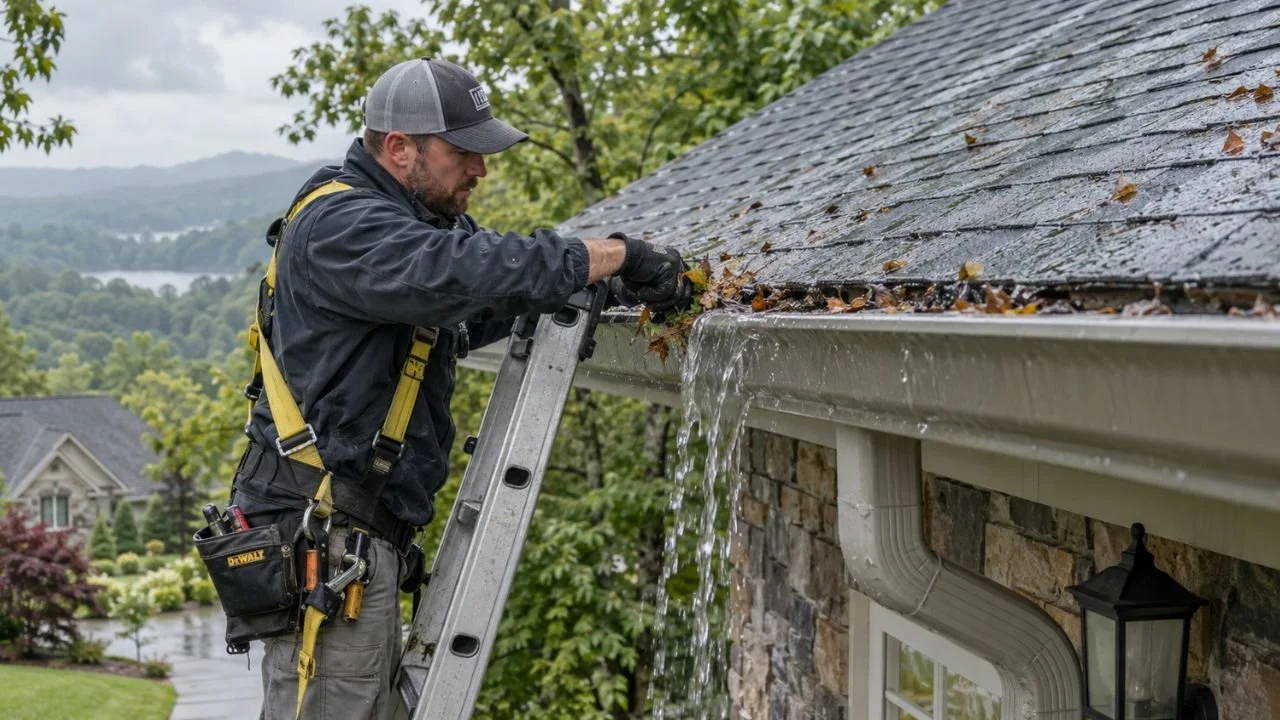
Gutter overflow usually means water cannot move through your system fast enough. The cause may be leaves, a blocked downspout, poor slope, too few outlets, or gutters that are simply too small for the roof.
The good news is that you do not always need new gutters. Where the water spills often gives you the first clue. Watch the system during a safe, heavy rain, and you can learn a lot before anyone climbs a ladder.
Quick Gutter Overflow Diagnosis
Before choosing a fix, look at where the water appears. One overflowing corner can point to a very different problem than water spilling along the whole roofline.
| What You Notice | Likely Cause | First Thing to Check |
|---|---|---|
| Overflow near one downspout | Clog or slow outlet | Downspout and elbow |
| Water spills below a roof valley | Too much water in one spot | Gutter position and capacity |
| Overflow along most of the gutter | System may be undersized | Gutter and downspout size |
| Water sits after the rain | Poor slope or sagging | Gutter alignment |
| Water shoots past the gutter | Roof runoff overshoot | Valley, pitch, gutter position |
| Water runs behind the gutter | Roof-edge or flashing issue | Drip edge and gutter placement |
This is why the best gutter overflow solutions start with the cause, not the symptom.
1. Clear Leaves, Pine Needles, and Roof Grit
A gutter does not need to be packed solid to overflow. Pine needles, wet leaves, seed pods, and roof grit can slow the flow enough to create trouble during a North Georgia downpour. Light rain may pass through without a problem. Then one strong storm arrives, and water starts rolling over the edge.
Signs of a debris problem include:
Leaves or plants visible in the gutter
Water moving slowly toward the outlet
Overflow in several small spots
Dirty streaks below the gutter
Debris packed around the downspout opening
If buildup is the issue, professional gutter cleaning through National Gutter Alliance may solve the problem without replacing anything.
2. Check the Downspout, Not Just the Gutter
You cleaned the gutter, but the same corner still spills. What now? Look at the downspout.
Clogs often hide inside elbows or lower sections where you cannot see them from the ground. If the gutter fills quickly but little water comes out below, the outlet may be restricted. This is one of those problems that can look more serious than it is. A blocked downspout can make a perfectly good gutter seem too small.
The fix may be as simple as flushing the line and clearing the elbow.
3. Fix Sagging or Poor Gutter Slope
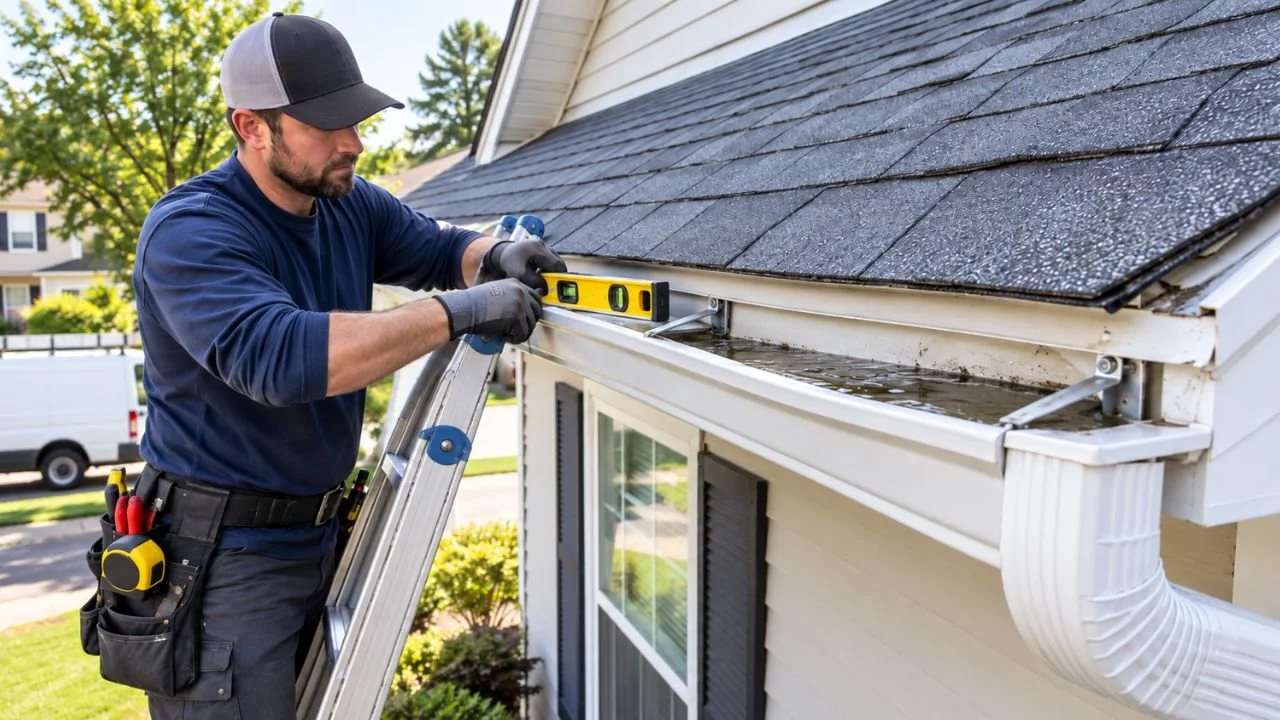
Water needs a slight path toward the downspout. When a gutter sags, rain collects in the low spot. Once that section fills, the next burst of water spills over.
You may notice standing water long after a storm ends. From the ground, you might also see a dip along what should be a fairly straight gutter line. This type of gutter overflow often needs a repair, not an upgrade.
Loose hangers may need to be secured. The gutter may need to be reset at the right pitch. In some cases, damaged fascia also needs attention before the system can sit correctly.
4. Add or Resize Downspouts
Think of a long gutter as a busy road. If all the water has only one small exit, traffic backs up. The same thing happens when a large roof feeds a long gutter run with too few downspouts. The gutter itself may have enough space, but water cannot leave fast enough.
You may need another outlet when:
One downspout serves a very long run
Several roof sections drain into the same gutter
A roof valley sends water into one corner
Clean gutters fill quickly during storms
Water backs up near the outlet
A professional inspection should look at both gutter size and downspout layout. They work as one system.
5. Check for Water Shooting Over the Gutter
Sometimes the gutter is not actually backing up. Water is simply moving so fast that it flies over the front edge. This can happen below a steep roof or where two roof sections meet in a valley. During a hard North Georgia storm, that one point may receive far more water than the rest of the gutter.
Watch the flow from the ground. If water seems to jump straight past a clean gutter, the answer may involve:
Repositioning the gutter
Adding a splash guard
Increasing capacity at that spot
Changing the outlet layout
Going straight to a larger system without checking runoff direction may miss the real problem.
6. Upgrade a System That Is Too Small
Sometimes bigger gutters really are the right answer. If a clean, straight, properly pitched system still overflows across several sections during heavy rain, the roof may simply send more water than the gutters can handle. Large homes, steep roofs, long runs, and several valleys can all increase the load. But sizing should not be guesswork.
If you are comparing premium gutter services in North Georgia, ask the installer why they recommend a certain gutter and downspout size. The answer should relate to your roof, not just the size they install most often.
National Gutter Alliance offers gutter services that can help identify whether cleaning, repair, or a new installation makes more sense for the property.
7. Make Sure the Water Has Somewhere Safe to Go
Stopping water at the roofline is only half the job. The downspout still has to discharge that water somewhere useful. Walk around your home after the rain stops. You may find the gutters are working fine, but the water is creating a puddle beside the foundation.
Watch for:
Washed-out mulch
Soil erosion below downspouts
Water pooling beside the house
Soggy planting beds
Water flowing back toward the foundation
The best gutter overflow solutions follow the water all the way from the roof to the ground.
Why Overflow Changes With the Season
North Georgia gutters do not face the same problem all year. Spring storms can expose weak drainage points fast. Summer downpours can overwhelm long runs in minutes. Fall brings leaves, pine needles, and seed pods that block outlets.
Winter is usually quieter, but freezing weather can still create drainage problems when trapped water or debris restricts the system. That seasonal pattern is worth thinking about. If overflow appears at the same time each year, the timing itself may tell you what needs attention.
Should You Clean, Repair, or Replace the Gutters?
This is often the real decision. A homeowner sees water spilling over and assumes a full replacement is coming. Sometimes it is. Often it is not.
Cleaning may be enough when:
Debris is blocking the gutter
The downspout is clogged
The system is straight and secure
Repair may make sense when:
One area sags
Hangers are loose
The slope is wrong
A joint or corner leaks
Replacement may be worth considering when:
Overflow keeps returning after cleaning
Several sections are damaged
The system is too small for the roof
Downspout capacity is clearly inadequate
A good contractor should be able to explain which category your home falls into and why.
Stop Gutter Overflow Before It Turns Into Costly Damage
The best fix starts with finding the real cause. Check for clogs, sagging, poor slope, blocked downspouts, and signs that the system is too small. If gutter overflow keeps returning, book a professional inspection with National Gutter Alliance. Our team can check your gutters, downspouts, roof runoff, and drainage setup to determine whether you need cleaning, repair, or replacement.
A clear inspection now can help you choose the right gutter overflow solutions before the next North Georgia storm puts your home at risk.
Frequently Asked Questions About Gutter Overflow
Why do clean gutters still overflow?
Clean gutters can still overflow if they are too small, poorly pitched, sagging, or connected to undersized downspouts. Roof valleys can also send too much water into one small area.
Is overflow during very heavy rain normal?
A rare splash during an extreme storm is different from repeated water pouring over the edge. If gutter overflow happens often, the system deserves a closer look.
Will gutter guards stop overflowing?
They can help when leaves and debris are causing the problem. They will not fix poor slope, an undersized gutter, or too few downspouts.
How do I know if I need new gutters?
Replacement may be the better choice when cleaning and repairs no longer stop the overflow. It also makes sense if several sections are damaged or the system is too small for your roof.
