

Importance of Gutter Maintenance: 10 Shocking Risks Before Heavy Rain

Gutter maintenance decides how well a home survives heavy rain. When it is done right, water flows away cleanly. When it is ignored, water finds its own path into roofs, walls, and foundations. That is where most expensive home damage begins in the United States, especially during storm-heavy seasons.
Across many U.S. homes, gutters are treated as background systems. Out of sight, out of mind. Until one heavy rainstorm ruins everything.
Overflow starts, water pools near the house, and small issues turn into structural repairs. The importance of gutter maintenance becomes obvious only when the damage has already started.
Importance of Gutter Maintenance Before Heavy Rain in the U.S.

Heavy rain does not just test roofs. It tests every weak point in the drainage system. Gutters are the first barrier. When they are blocked, water does not stop. It drops straight down along walls and soil lines.
In many parts of the U.S., especially regions with seasonal storms, gutters fill faster than expected. Leaves, dust, roof granules, and even bird nests build up quietly. A homeowner might not notice anything wrong until the first major rainfall.
There is also a common belief that gutters can “handle themselves” for a season or two. That belief usually ends with water damage repairs.
A simple truth shows up again and again. Clean gutters are not about appearance. They are about preventing pressure buildup on the home structure.
What Most Homeowners Miss Before Rain Season Starts
Before heavy rain arrives, gutters already carry a silent risk. The system may look fine from the ground, but inside the channel, water flow is often restricted.
Many homeowners ask:
If water still flows, is it really a problem?
Can I wait until something shows?
Do I really need professional service every time?
These questions make sense. But gutter failure rarely starts with visible blockage. It starts with partial blockage.
That is the dangerous stage. Water still moves, but not efficiently. Overflow begins during high rainfall, not normal conditions.
Importance of Gutter Maintenance: 10 Serious Risks Before Heavy Rain Hits
When gutters are ignored, the damage rarely shows up in a straight line. It creeps in. Quiet at first, then suddenly expensive. Most homeowners only notice it when the first strong storm already exposes the weak points.
1. Roof Edges Start Breaking Down Without Warning
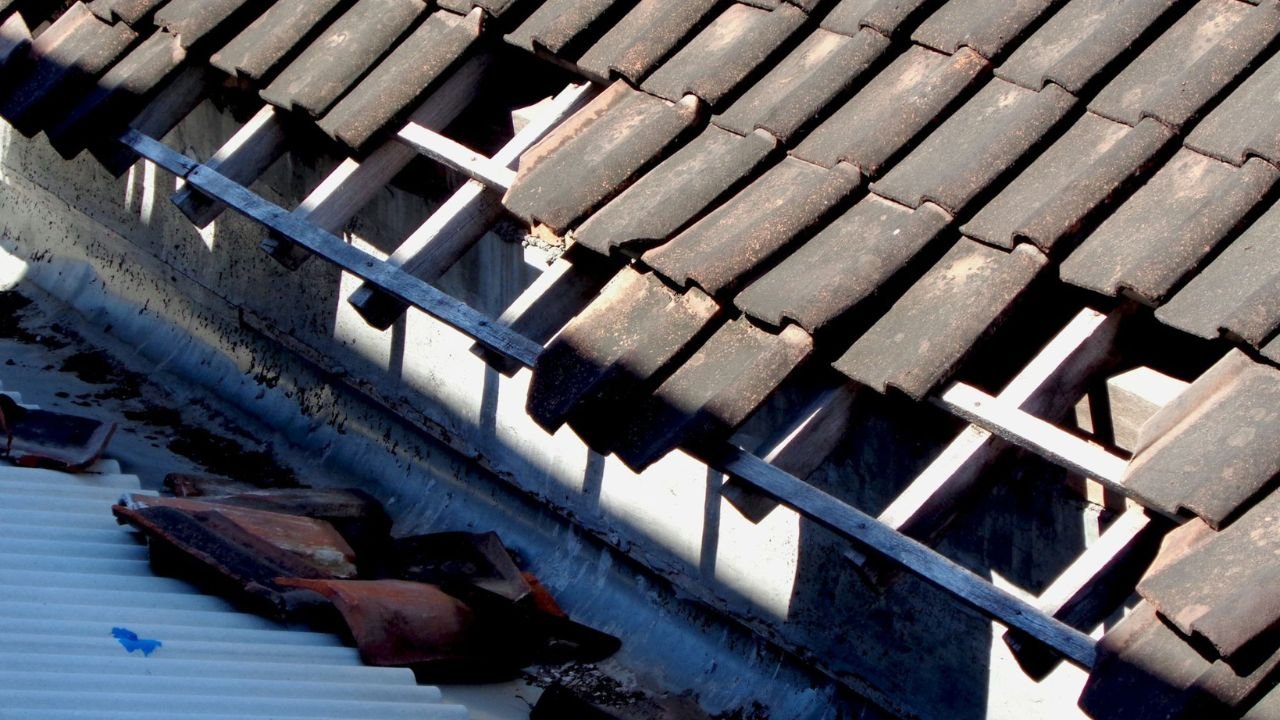
It usually begins at the roofline. Water sits longer than it should, especially near corners. The wood doesn’t fail immediately, but it slowly absorbs moisture until it softens. By the time a stain appears inside the home, the damage has already moved deeper than expected.
2. The Ground Around the Home Starts Shifting
This one often surprises people. Water spilling from clogged gutters doesn’t disappear. It collects around the base of the house. Over time, the soil expands, settles, and shifts unevenly. That slow movement is what later shows up as cracks in the foundation.
3. Basements Become the Easiest Exit Point for Water
Heavy rain doesn’t need much help to find its way inside. Once gutters overflow, water naturally moves downward. Basements are usually the first space to take the hit. What starts as damp corners can turn into full flooding during peak storms.
4. Exterior Walls Slowly Lose Their Protection
Not all damage is dramatic. Some of it is cosmetic at first. Water streaks appear on siding. Paint starts to weaken in patches. It looks minor until those marks stop being temporary and start becoming permanent stains on the structure.
5. Moisture Begins Spreading Inside Hidden Spaces
This is where things get serious. Water doesn’t stay on the outside surface. It travels into insulation and wall cavities. Mold doesn’t need much time to form once that moisture is trapped. By the time it’s visible, it has already spread further than expected.
6. Small Pests Start Finding a Reason to Stay
Standing water changes everything. Gutters filled with debris turn into a quiet shelter for insects. Mosquitoes are the obvious ones, but ants and even small rodents follow the same pattern when conditions stay undisturbed long enough.
7. Gardens and Soil Lines Start Washing Away
It’s not just the house that suffers. The landscape around it takes a direct hit. Water falling from the roof without control cuts into soil, flattens flower beds, and slowly reshapes garden edges. After a few storms, the yard starts looking uneven without any clear reason.
8. The Support Boards Behind Gutters Begin Weakening
Fascia boards are not something most homeowners think about. But they carry the weight of the gutter system. When water stays in contact for too long, those boards absorb moisture and begin to lose strength. That’s when gutters start sagging or pulling away slightly from the roofline.
9. Cold Regions Face an Added Layer of Damage
In northern U.S. climates, clogged gutters don’t just overflow. They freeze. Ice builds up inside the channel and blocks any future drainage. What starts as a simple clog turns into a solid block that adds weight and pressure to the roof edge.
10. Emergency Repairs Always Arrive at the Worst Time
This is the part most homeowners remember. Repairs during active storm seasons are not just inconvenient. They are expensive and rushed. Contractors are harder to schedule, and damage spreads faster than it can be fixed. Prevention is always cheaper, but timing decides everything.
Importance of Gutter Cleaning vs Emergency Repair Reality
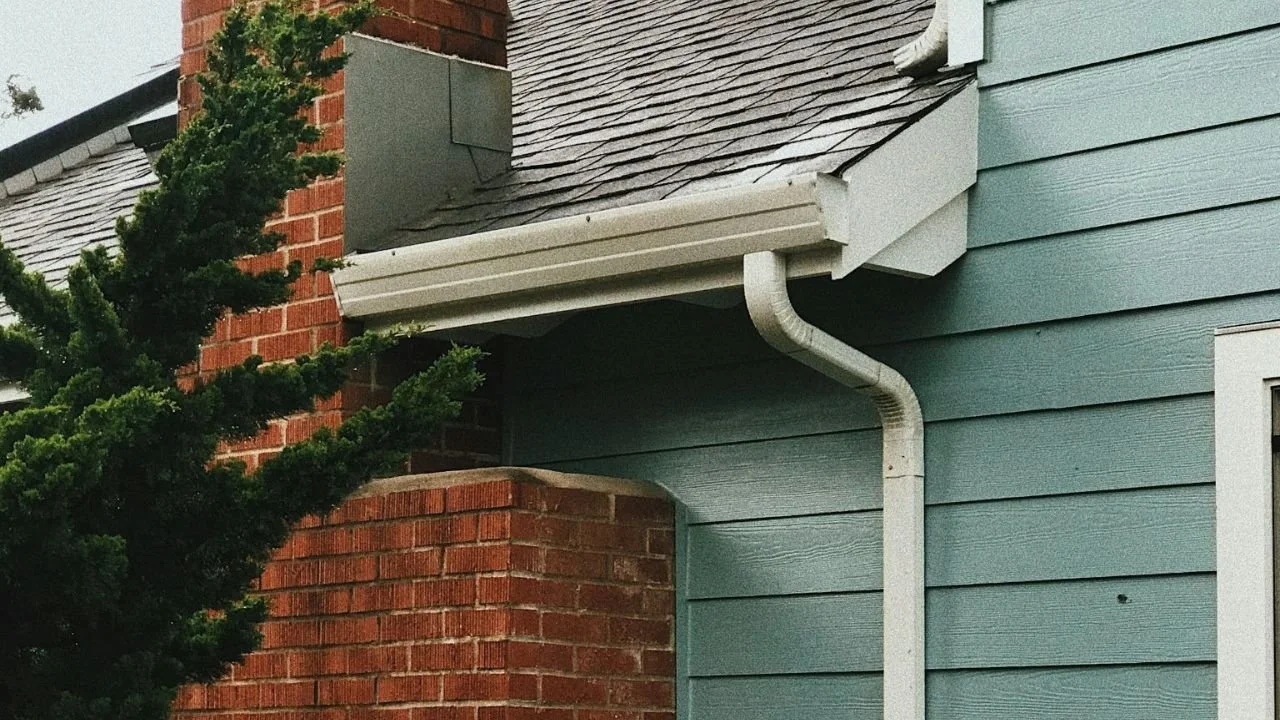
The importance of gutter cleaning becomes clear when comparing prevention to repair. Cleaning is a controlled task. Repair is a reaction.
A clean gutter system handles heavy rain without stress. A neglected system reacts unpredictably. Overflow, leaks, and sudden drainage failure all appear during peak rainfall.
Most homeowners only realize this difference after damage occurs. The repair stage is where costs multiply. Water damage does not stay isolated. It spreads.
That is why professionals often recommend servicing before seasonal storms rather than after visible problems.
DIY Cleaning vs Professional Gutter Service
A common decision point appears every season.
“Should this be cleaned personally or handled by professionals?”
DIY cleaning may handle surface debris. But deeper issues are often missed:
Slope imbalance
Hidden blockages in downspouts
Joint leaks
Structural looseness
Professional service becomes important when homes are surrounded by trees or located in high-rainfall zones. In those cases, gutter systems need more than surface cleaning. They need inspection-level attention.
Why Many U.S. Homeowners Rely on Structured Gutter Services
Across the United States, homeowners and contractors often prefer working with organized service networks before storm seasons. One example is the National Gutter Alliance (NGA), which provides structured gutter and gutter guard installation support across the country.
Our team focuses on supporting roofing and construction companies with trained installation services designed for efficiency and accuracy.
Why this model works for homeowners and contractors:
Crews trained in gutter system installation
Consistent quality control across projects
Smooth coordination with construction teams
Reliable scheduling during high-demand seasons
Reliability becomes important when storms do not wait. A delayed service window often leads directly to water damage risk.
Nationwide Coverage and Storm-Ready Service Capability
NGA operates across the United States, which allows service availability in multiple climate zones. From coastal rain-heavy regions to inland storm-prone states, their network is built for scale.
Different U.S. regions face different gutter challenges:
Southern states deal with heavy rainfall bursts
Northern states deal with freeze and thaw cycles
Forest regions deal with rapid leaf buildup
A standardized system helps reduce inconsistency in performance across these environments.
Our partnerships with established gutter protection providers also help ensure that installations and upgrades follow current industry practices rather than outdated methods.
What Homeowners Should Think About Before Heavy Rain
The real decision point is not about gutters alone. It is about timing. Waiting until the water overflows is already too late. By then, the system had failed its primary job.
A more practical way to think about it is simple:
Is the home ready for the next storm cycle
Are gutters clear enough to handle sudden rainfall
Is a professional inspection needed before peak season
These questions matter more than most homeowners realize.
Because once heavy rain starts, there is no adjustment period. The system either works or it does not.
Final Thought
Water always follows the easiest path. The question is whether that path is controlled by a working gutter system or by chance.
When the next heavy rain arrives, what will decide the outcome is not the storm itself, but what was done long before it began.
