

Do Gutter Guards Work? 6 Expert Insights from Professional Installers

Do gutter guards work? Yes, they do, but only when they match the home, roof design, and local weather conditions.
On paper, they look like a simple fix for clogged gutters and falling leaves. In reality, it’s not that clean. Rain behaves differently on every roof, and debris changes depending on trees, wind, and even nearby construction dust.
Installers see this pattern constantly. Tree-heavy homes clog faster. Coastal areas deal with sudden downpours. Even dry regions collect fine roof grit that builds up over time.
So the real question isn’t just do gutter guards work, but whether they actually perform when real weather hits, not just in product claims.
Do Gutter Guards Work in Real Homes?
In real installations, gutter guards do help. They reduce clogging and cut down ladder work, but they don’t remove maintenance completely.
Instead of cleaning out packed leaves every few months, most homeowners shift to quick seasonal checks or light surface clearing.
A simple example makes it clear. A home under heavy oak trees might need cleaning three to five times a year without guards. After installation, that drops noticeably, depending on the system and roof setup.
But installers are very direct about one thing.
If the gutter system is already poorly pitched, damaged, or undersized, guards won’t fix it. They improve flow, not broken infrastructure.
Expert Insight #1: Performance Depends on the Type of Debris Around the Home
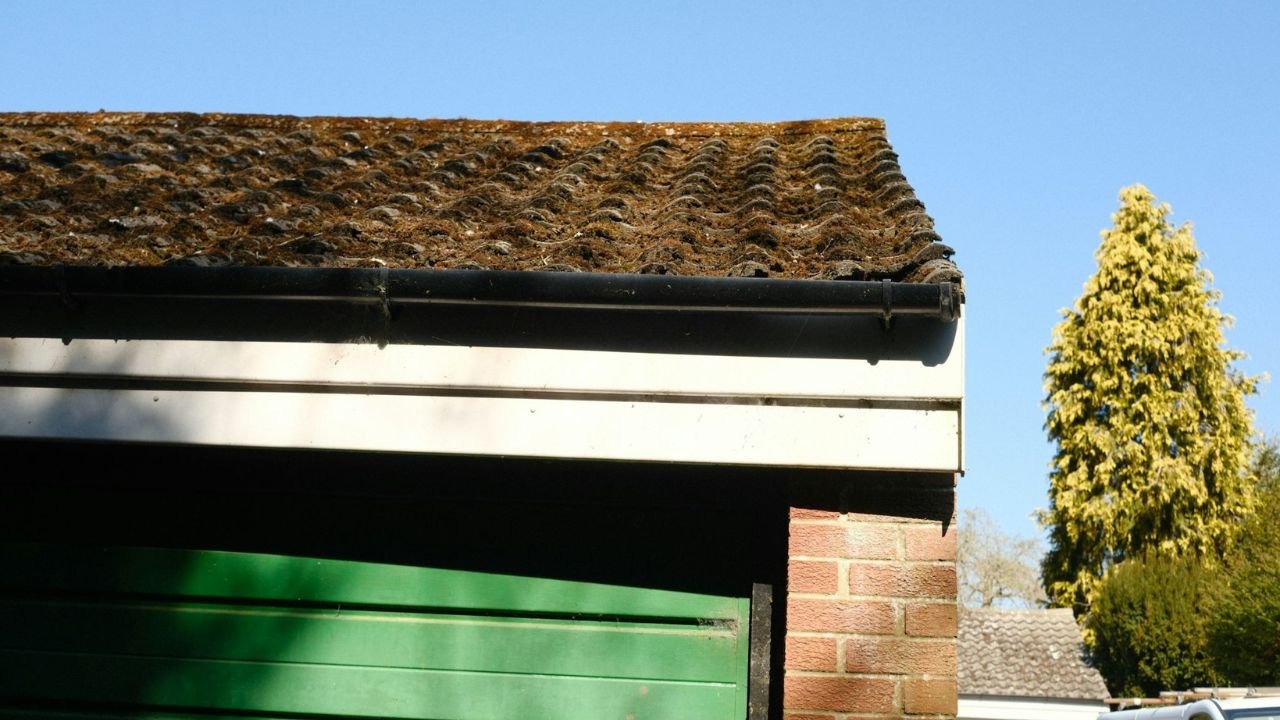
Not all debris behaves the same.
Dry leaves slide off more easily. Pine needles are the opposite. They weave together and form dense mats. Roof granules from shingles create a fine sediment that slowly builds up over time.
Installers working across different U.S. regions often adjust recommendations based on what falls from the roofline.
Homes in wooded suburbs usually deal with heavy seasonal leaf drops. Coastal homes may see less leaf debris but more storm-driven buildup. Rural homes often deal with mixed conditions.
That is why experienced crews rarely recommend one universal system. They assess the environment first, then match the guard style to it.
Expert Insight #2: Do Gutter Guards Work in Heavy Rain Conditions?
This is the question that matters most during installation decisions.
Heavy rain exposes weak points in any gutter system. If water cannot enter the gutter fast enough, it will overflow no matter what guard is installed.
So the real issue is not whether gutter guards block water. It is how efficiently they manage high-volume flow during storms.
In properly installed systems, water passes through the guard surface while leaves and debris are deflected. This works well in most rainfall conditions, including moderate to heavy storms.
But installers often see failure in specific situations:
Gutters without enough downspout capacity
Incorrect roof slope directing water too fast to one section
Cheap guard materials that restrict flow
Poor installation alignment causing water to bounce off
In storm-heavy regions like Florida or the Gulf Coast, this becomes even more important. Water volume increases quickly, and any restriction in the system becomes visible almost immediately.
That is why professional installation matters as much as product selection.
Expert Insight #3: Installation Quality Changes Everything
Ask any experienced installer, and the answer is consistent. The product matters, but installation decides performance.
A properly installed system accounts for:
Roof edge alignment
Gutter pitch and slope
Water entry angle
Downspout spacing
Fastening strength during storms
Even high-quality gutter guards can underperform if these basics are ignored.
This is where professional networks like the National Gutter Alliance come into the picture. NGA operates as a nationwide subcontracting partner for roofing and construction companies, providing trained crews for seamless gutter and guard installation work across the United States.
Our model is built around consistent execution rather than one-off installations. We focus on reliability, quality control, and integrating directly into contractor workflows so installations remain consistent across different job sites and regions.
In practical terms, that kind of system matters because gutters are not just accessories. They are part of the home’s water defence system.
Expert Insight #4: Gutter Guards Reduce Maintenance, Not Eliminate It
One of the biggest misunderstandings comes from expectations.
Homeowners often assume gutter guards mean zero cleaning forever. That expectation leads to disappointment. What actually happens is more practical.
Instead of frequent deep cleaning, maintenance becomes an occasional inspection.
Typical post-installation maintenance looks like:
Checking for surface debris buildup
Rinsing fine dust or pollen during dry seasons
Inspecting downspouts once or twice a year
Clearing rare blockages after extreme storms
The difference is scale, not elimination.
Installers often compare it to replacing a full cleaning routine with a light seasonal check. Less effort, not no effort.
Expert Insight #5: Regional Climate Changes Everything
A gutter system that works perfectly in one region may struggle in another.
That is why installers always factor geography into recommendations.
In the Northeast, heavy leaf fall is the main issue. In the Southeast, sudden rain bursts are more common. In snowy regions, freeze-thaw cycles add extra stress. In dry states, fine dust and roof grit become the main concern.
So when people ask do gutter guards work in heavy rain, the honest answer depends on their location. A system that performs well in a mild rain environment may behave differently in a high-intensity storm region.
This is also why nationwide installation networks are becoming more relevant. Companies that operate across multiple climates develop broader installation experience, not just local assumptions.
Expert Insight #6: The Cheapest Option Usually Costs More Later
Price is usually the first filter for homeowners, but installers rarely treat it as the final decision factor.
Lower-cost systems often reduce upfront spending but increase long-term maintenance or repair needs.
Common issues with low-quality installations include:
Guards lifting during strong winds
Water overshooting gutters during storms
Debris slipping through openings
Faster material wear and corrosion
A system may work fine for months, then fail during a single heavy storm. That is why professionals tend to focus on durability, fit, and installation method rather than just price.
Why Many Homeowners Choose Professional Installation Instead of DIY
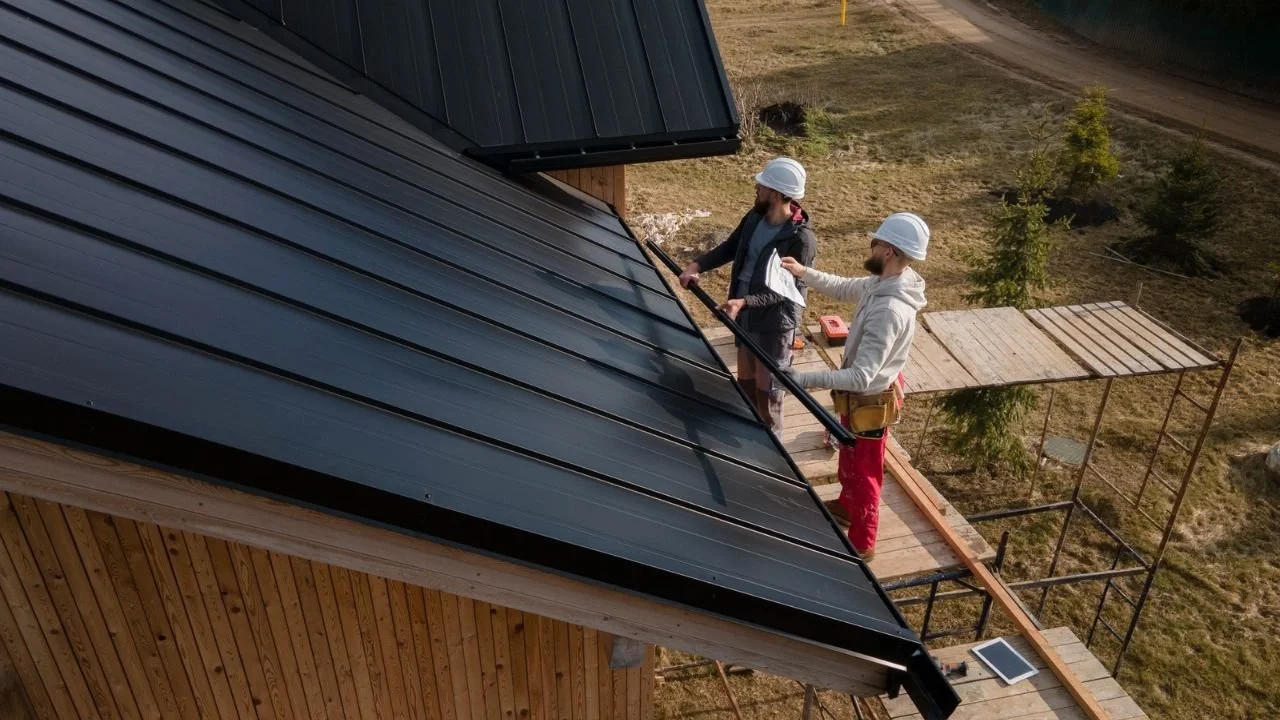
Installing gutter guards looks simple until roof edges, slope angles, and water flow patterns enter the picture.
Most installers agree on one point. The system only performs as well as its weakest section. That is why professional crews inspect the entire drainage path, not just the gutter itself.
Our team at National Gutter Alliance specializes in this type of structured installation work. The crew is trained to handle seamless gutters and guard systems as part of a larger drainage strategy rather than isolated products. They also operate nationwide, which allows consistent installation standards across different regions and weather conditions.
For homeowners, this often translates into fewer unexpected issues after installation and more predictable performance during storms.
Are Gutter Guards Worth It?
After years of field experience across different homes and climates, installers usually come back to a simple truth.
Gutter guards are not about perfection. They are about control.
They reduce how often gutters clog. They stabilize water flow during normal and heavy rain. They reduce maintenance pressure over time.
But they only perform well when three things align:
The right guard type for the environment
A properly functioning gutter system underneath
Professional installation that accounts for real water movement
When all three align, gutter guards stop being a “fix” and start becoming a system that quietly does its job in the background.
Maybe that is the expectation homeowners should carry into the decision. Not whether gutters will ever need attention again. But how much less often will they need maintenance when heavy storms arrive?
