

Gutter Inspection: 5 Essential Checks Before Roof Replacement
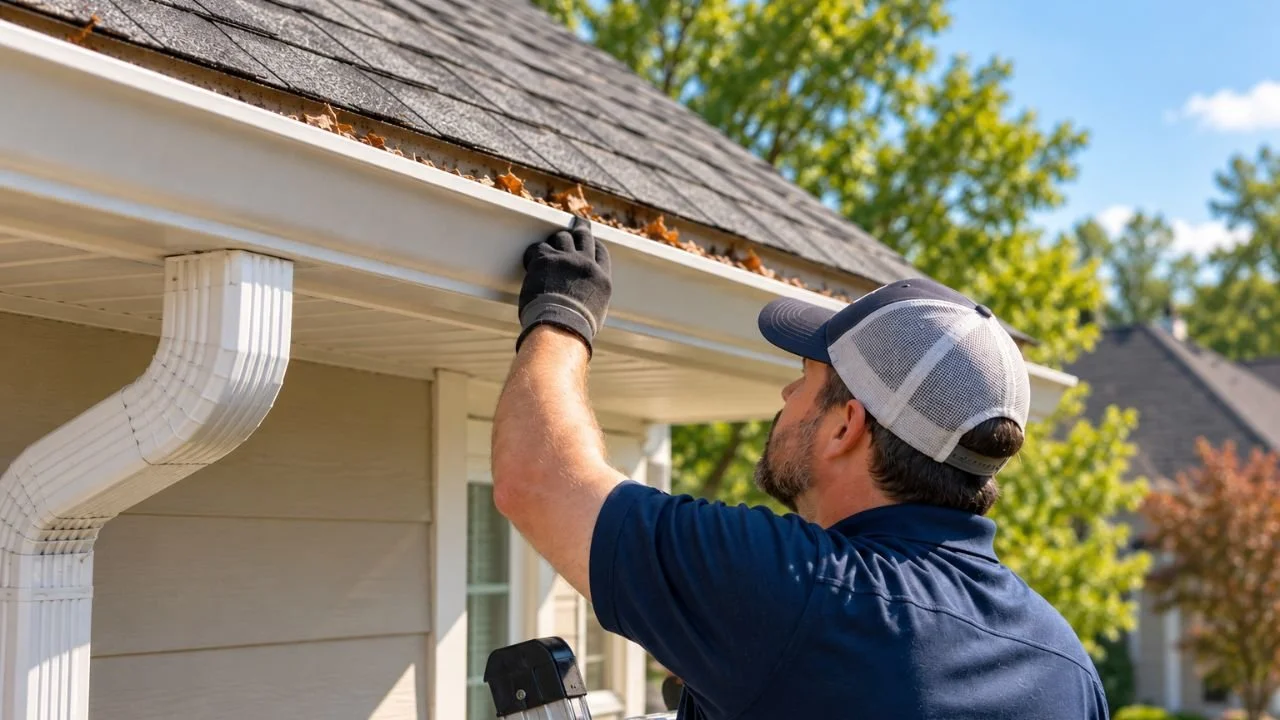
Getting a new roof doesn't mean you need new gutters, either. If yours are still in good shape, you may be able to keep them. But before the roofers arrive, it's worth checking for leaks, loose parts, and drainage problems. A gutter inspection can help you avoid paying for work you don't really need.
Atlanta gets some pretty heavy rain, and that's often when gutter problems become clear. Maybe you've seen water dripping from a corner or spilling over the edge. It might be a small fix, or the gutters may need more work. If you're unsure, National Gutter Alliance can help you figure out what needs attention before your roof project begins.
Why Check Your Gutters Before Getting a New Roof?
Let's say your roof is 20 years old, but your gutters were replaced just five years ago. Would it make sense to replace both? Probably not, if the gutters still work well. The trouble is that some gutter problems aren't easy to spot. A section may look fine from the driveway but have a loose hanger or a leak at the back. You might only notice it when rain starts running down the siding.
There's also the roofing work to think about. Roofers need to reach the edges of your roof. If the wood behind the gutters is rotten, or the gutters are pulling away, that needs to be sorted out. It's better to find out before the old shingles come off.
1. Are Your Gutters Sagging or Pulling Away?
You can start with a simple look from your yard. Stand where you can see the full gutter run. Does it look straight, or is one section hanging lower than the rest? A dip could mean a loose hanger. It might also mean the wood behind the gutter is starting to rot. If the gutter has been holding water for a long time, it may have bent.
Here's what to look for:
A visible gap between the gutter and the house
One section hanging lower than the rest
Loose brackets or missing screws
Bent corners or sections that don't line up
Does a sagging gutter need to be replaced?
Not always. Sometimes, a few new hangers are enough. But if the wood behind the gutter is rotten, fixing the hangers alone won't solve it. Ask the contractor to check what the gutter is attached to. You don't want to pay for a repair only to find that the wood can't hold it.
2. Do the Gutter Corners Leak When It Rains?
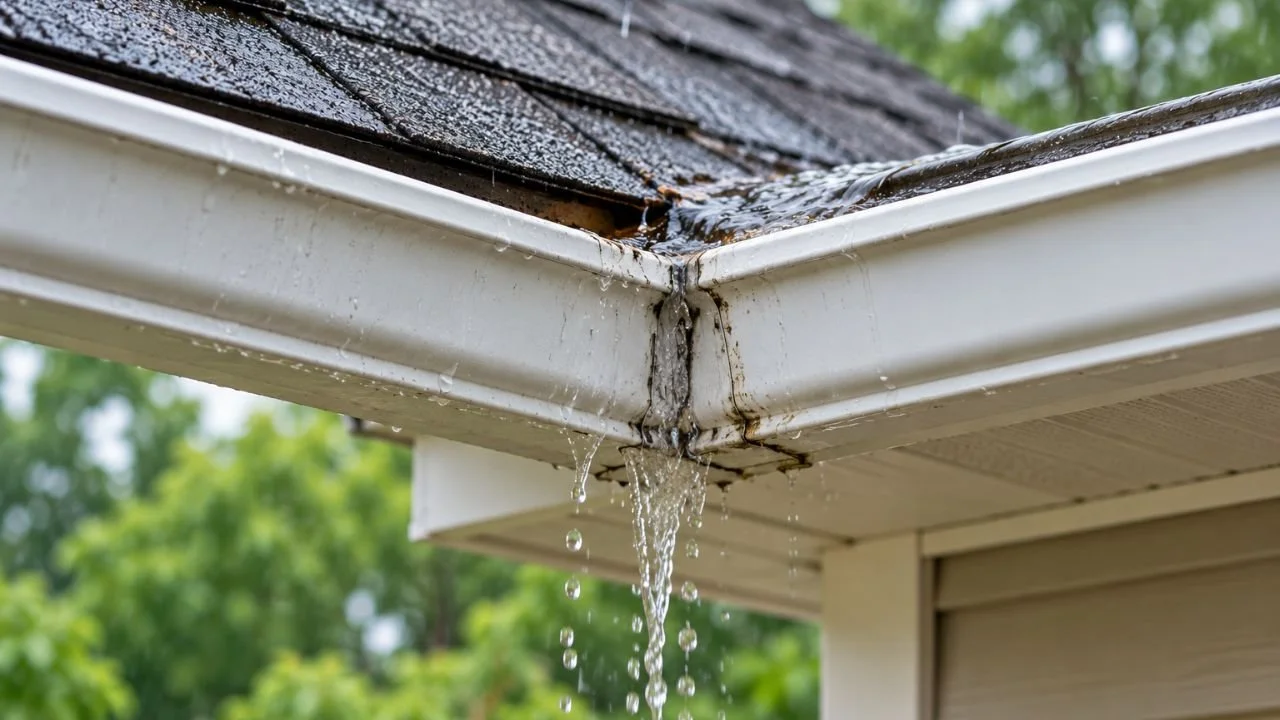
A leaking corner is easy to miss until you get a good downpour. You might see water dripping from the joint or leaving a dark streak on the wall below. That doesn't always mean the gutter is blocked. The sealant around the joint may have cracked or worn away. Sometimes, the metal itself has a small hole.
Take a look for:
Water dripping from corners or seams
Dark marks below gutter joints
Old sealant that's peeling away
Rust spots or small holes
If there's only one leak, you may not need to replace anything. A contractor might be able to clean and reseal the joint. But if water is leaking from several places, it's worth asking whether more repairs make sense. You could end up paying to fix one joint now and another a few months later. At National Gutter Alliance, our team offers gutter repair services for issues such as leaking joints and loose gutter sections.
3. Is Water Actually Reaching the Downspouts?
Here's something you may not have thought about. Gutters can be free of leaves and still fail to drain. They need a slight slope toward the downspouts. If part of the gutter sits too low, water may collect there instead of flowing out. You might notice water sitting in the gutter the day after it rains. Or one downspout may barely drain, even during a heavy shower.
Watch for:
Water sitting in the gutter after rain
Overflow despite clear gutters
Downspouts that drain slowly
Puddles forming beside the house
Will a new roof fix the drainage problem?
No, if the gutter is tilted the wrong way, new shingles won't change that. It could be as simple as clearing a blockage. Or the gutter may need to be adjusted. If it's badly bent, replacing that section may be the better choice. Atlanta's heavy summer showers can make these problems worse. During heavy rain, even a small gutter problem can send water down your walls. It may also pool near your foundation.
4. Is the Wood Behind Your Gutters Still Sound?
This is one to make sure gets checked before roof work starts. The fascia is the board along the edge of your roof. It's often where the gutters are attached. If that wood starts to rot, the gutter may come loose. Sometimes, you'll notice peeling paint or dark patches along the roof edge. Other times, there's no clear sign from the ground.
Ask your contractor to look at:
Fascia boards for soft or rotten wood
The roof decking near the edges
Loose screws or gutter brackets
The metal drip edge along the roofline
The drip edge is a thin strip of metal that helps guide water away from the roof's edge. If it isn't fitted properly, rain can run behind the gutter and reach the wood. You don't want that problem left behind when the new roof goes on. Don't worry if you can't see every part yourself. Some damage only becomes clear once the roofing crew starts removing old materials. Leave the close inspection to someone who can do it safely.
5. Should You Keep, Repair, or Replace Your Gutters?
Now you've got a better idea of what to check. The next question is what to do with what you find. A few loose hangers don't mean you need a whole new system. Gutters don't suddenly become useless just because they're old.
Here's a simple way to look at it.
| What You Find | What May Make Sense |
|---|---|
| Gutters are straight and drain well | Keep them |
| One joint is leaking | Repair or reseal it |
| A few hangers are loose | Secure them if the wood is sound |
| Water collects in one spot | Check and adjust the slope |
| One section is bent or cracked | Replace that section |
| Several sections are badly damaged | Consider new gutters |
What if your gutters are old but still working?
You may be able to keep them. Age matters, but condition matters more. If a contractor suggests replacing everything, ask why. Are the gutters badly worn? Is the damage spread across several sections? Or could a repair take care of it? It's a fair question. You're already spending money on a roof, so there's no reason to add work unless your home needs it.
Should You Replace the Roof or Gutters First?
If you're getting both replaced, the roof usually comes first. The roofers can remove the old shingles, check the wood underneath, and finish the roof edge. Then the new gutters can go on. But some homes need a different approach. Your old gutters might have to come off so the crew can reach the fascia or install the drip edge.
Before the job starts, ask:
Can my current gutters stay while the roof is replaced?
Who will fix any rotten wood along the roof edge?
When will the gutters be removed or put back?
These are small details, but they're worth sorting out. You don't want the roofing crew to arrive and find that nobody has planned for the gutters. If you're using two contractors, make sure they know what the other is doing.
What Happens to Your Gutters During Roof Replacement?
Roof replacement can get messy. Old shingles come off, nails fall, and bits of roofing material can land in the gutters. If you're keeping your gutters, ask the crew how they'll protect them. A ladder placed against the wrong spot can bend the edge. Heavy debris can cause damage, too.
Once the work is done, check for:
New dents or bent gutter edges
Loose brackets or joints
Nails and roofing scraps inside the gutters
Water running behind the gutter
It's also worth making sure the downspouts are clear. You don't want the first big rain after your new roof to reveal a gutter full of debris. If anything looks different from before, bring it up with the roofing crew while the job is still fresh.
When Should You Book a Professional Gutter Inspection?
If you're planning roof replacement, don't leave the gutters until the last minute. Getting them checked before work begins gives you time to deal with any problems. You may already have a reason to call. Maybe one corner drips every time it rains. Perhaps a section has started pulling away from the house. Or you're simply not sure whether your old gutters can stay.
Professional gutter inspection services can help you get a clearer answer. A contractor can check the joints, hangers, slope, and downspouts, then explain what needs fixing. If you're planning roof work in Atlanta, at National Gutter Alliance, we provides gutter repair and replacement services. You can contact us to discuss your project and request a quote.
There's no point paying for gutters you don't need. But you also don't want to put a new roof on a house where rainwater still has nowhere to go.
Frequently Asked Questions
Do roofers remove gutters when replacing a roof?
Not always. If your gutters are secure, roofers may leave them in place. But they might need to remove them to repair damaged fascia or install the drip edge properly. Ask your roofer what the job involves before work begins.
Can I keep my old gutters with a new roof?
Yes. You can usually keep your old gutters if they're secure, free of major damage, and draining well. Just make sure they work with the new roof edge. A gutter inspection can help you decide.
Is it cheaper to replace gutters and the roof together?
It can be, especially if both need replacing. Scheduling the work together may reduce some setup costs. But if your gutters are still working well, keeping them will usually save you more money than replacing them unnecessarily.
Can roof replacement damage existing gutters?
Yes. Falling shingles, roofing nails, and ladders can dent or loosen gutters. Debris may also block the downspouts. Ask the roofing crew how they'll protect your gutters and clean them after the job.
Should gutters be inspected before or after roof replacement?
Both, if possible. An inspection before roof replacement helps you find leaks, loose hangers, or damaged wood. A check afterward helps catch roofing debris, new damage, or drainage problems before the next heavy rain.
