

Does Homeowners Insurance Cover Gutters? 5 Key Facts to Know
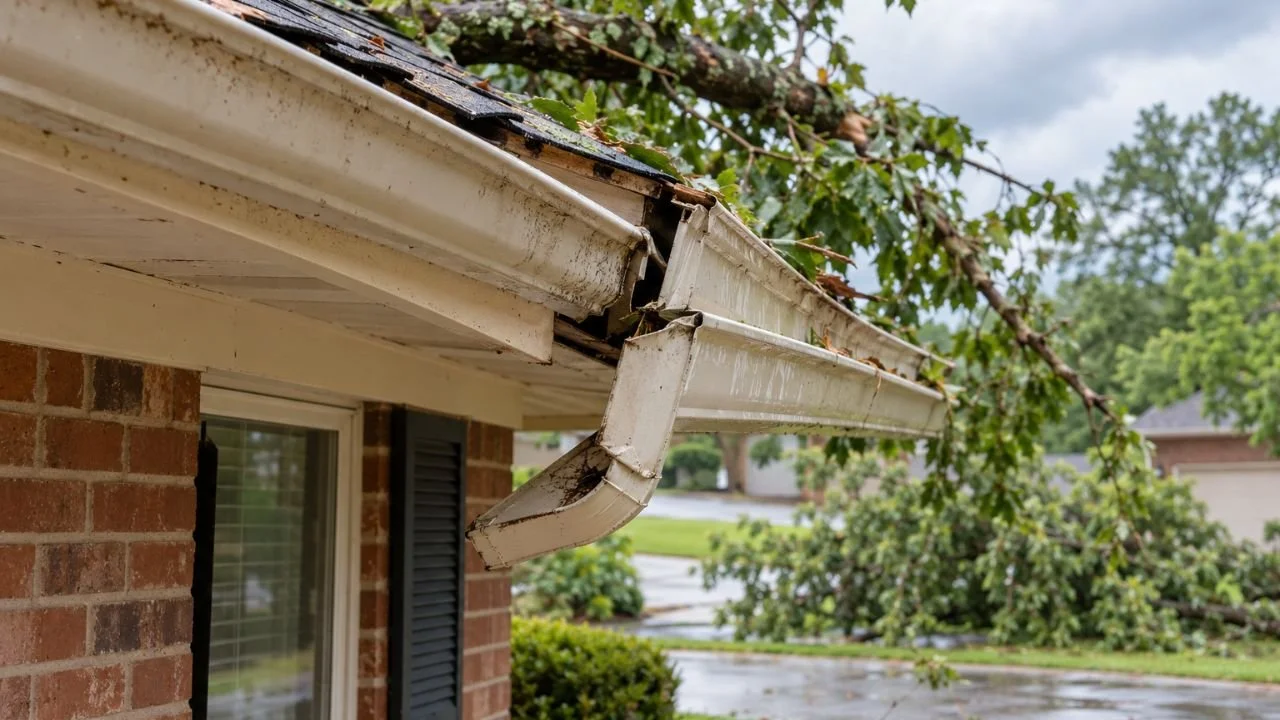
Yes, homeowners insurance may cover gutters damaged by wind, hail, or a falling tree. It usually won't cover rust, old age, or poor upkeep. The cause of the damage makes all the difference.
Say you wake up after a storm in Atlanta. There's a piece of gutter lying near the driveway, and another section is hanging off the roof. Now you're wondering whether to call your insurance company or pay for the repair. Before you decide, find out what broke and why. At National Gutter Alliance, we help homeowners with gutter repairs and replacement.
Here are five things worth knowing before you spend any money.
1. Does Homeowners Insurance Cover Gutters After Storm Damage?
Homeowners insurance can cover gutters damaged by storms. Most homeowners policies cover sudden damage from certain events. Wind and hail are common examples. A tree falling onto your house may also count. Gutters attached to your home are generally covered under the dwelling part of your policy. That's the part that protects the house itself, but the cause of damage still needs to be covered.
Here's a quick look at common situations.
| What Happened? | Will Insurance Help? |
|---|---|
| Wind pulls a gutter off the roof | Often, if wind is covered |
| Hail damages metal gutters | Possibly |
| A tree falls on the gutters | Often, depending on the cause |
| Old gutters rust through | Usually not |
| Leaves clog the downspout | Usually not |
| A loose gutter falls during a storm | Depends on what caused it |
Your insurance company makes the final call. These examples only show how claims are often handled.
What If Heavy Rain Makes the Gutters Overflow?
Rainwater spilling over the edge doesn't always mean something broke. Leaves may have blocked the gutter or downspout. That's usually a cleaning problem, not an insurance claim.
But if strong winds tore off a sound gutter, the damage may qualify. The difference matters when you report what happened. After a storm, walk around the house and look up. Check for bent sections, loose brackets, or downspouts that have pulled away. Stay on the ground, especially if the roof is wet.
2. What Types of Gutter Damage Does Homeowners Insurance Not Cover?
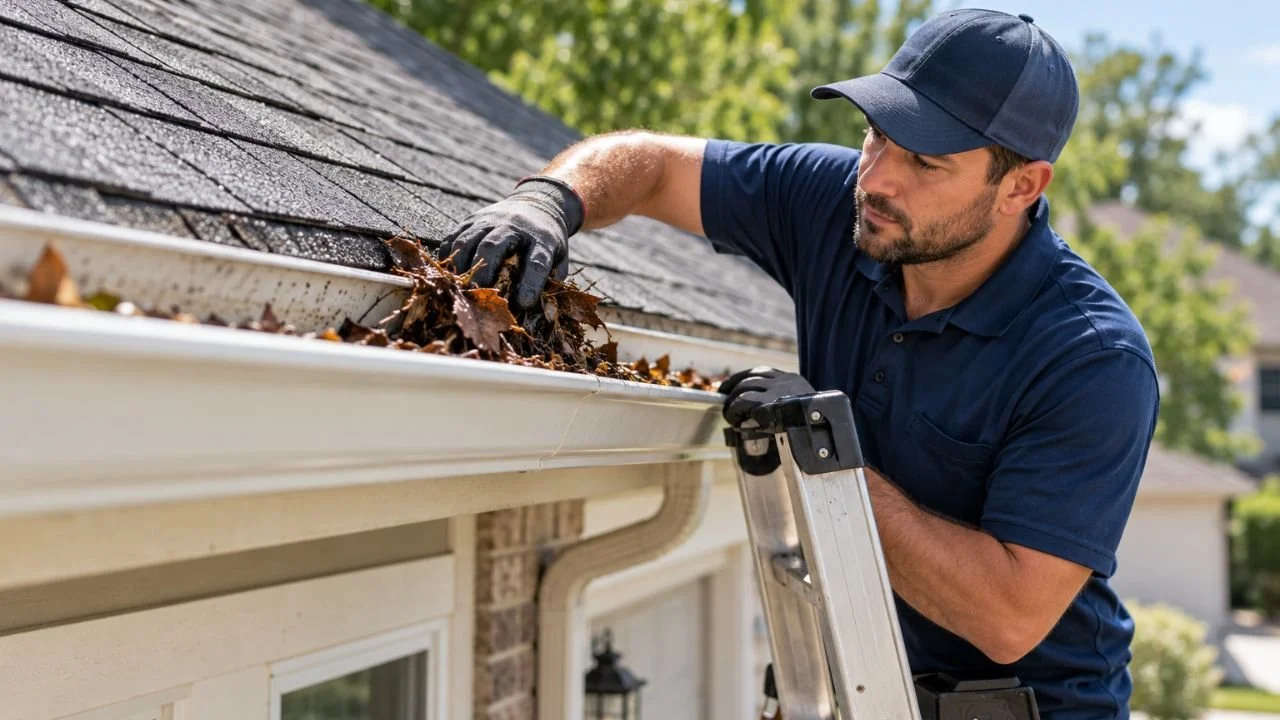
A gutter doesn't have to fall off to need work, sometimes the trouble starts with a small leak. Other times, a section slowly begins to sag. Those problems may take months or years to develop. Insurance generally isn't meant to pay for that kind of wear.
Common reasons a claim may be denied include:
Rust: Metal has worn away over time.
Old age: The gutter has reached the end of its useful life.
Clogs: Leaves and dirt stop water from draining.
Poor upkeep: Small problems were left unfixed.
Bad installation: The gutter wasn't fitted properly.
Imagine you've noticed water dripping from the same joint for months. Then a storm hits, and that joint comes apart. The insurer may want to know whether the storm caused the break. They may also look at the condition of the gutter before the storm. It's worth dealing with small problems when you spot them. A loose bracket may be simple to fix today. Leave it too long, and the gutter could pull away from the house.
If leaves and pine needles are the main problem, professional gutter cleaning may be what you need instead.
3. Will Insurance Pay for New Gutters or Just Repairs?
One bent gutter doesn't mean you need a whole new system. A short section may be enough to fix the problem. But what if a tree crushes several gutters along one side of the house? That could call for more work. Your insurer will look at the damage and your policy. It may cover repairs or replacement of the affected parts. Don't assume every gutter will be replaced just because one section broke.
Check Your Deductible Before Filing
Your deductible is what you pay toward a covered claim. Let's say the repair costs $700. Your deductible is $1,000. Even with an approved claim, you may get nothing from the insurer. Now picture a larger repair costing $2,500. With that same deductible, the insurer might pay $1,500. Other policy terms can still affect the amount.
Some Georgia policies have a separate deductible for wind or hail. Check yours before making a decision.
Will Insurance Pay the Full Replacement Cost?
Not always. Some policies pay replacement cost, while others use actual cash value. Replacement cost is based on the cost of repairing or replacing the damaged property, subject to your policy. Actual cash value also takes age and wear into account. So, an older gutter may not be valued the same as a new one.
Some policies also release part of the payment after repairs are complete. Ask your insurer how payment works before booking a full replacement.
4. How Do You File a Gutter Damage Insurance Claim?
Finding a broken gutter after a storm is annoying enough. You don't want to spend days chasing missing photos or paperwork. Start with your phone. Take pictures from a safe spot on the ground. Get a few close views and one showing the whole damaged area.
Then follow these steps:
Write down when it happened. Include the storm date if you know it.
Check the rest of the house. Look for damage to the roof, siding, and downspouts.
Read your policy. Find the deductible and any storm-related terms.
Call your insurer. Ask how to report the damage.
Get a repair estimate. Find out what needs fixing and what it may cost.
Save everything. Keep photos, receipts, estimates, and claim messages.
Don't throw away damaged pieces until your insurer says it's fine. They may need to see them. If something is hanging loose above a walkway, keep people away. Ask your insurer about safe temporary repairs before arranging work, when possible.
Do You Need a Gutter Contractor Before Filing?
Not always. You can report storm damage without having a repair estimate first. Still, a contractor can help you understand the condition of your gutters. They can check whether a section can be fixed or needs replacing. At National Gutter Alliance, we provide gutter repair services for Atlanta homeowners. You can ask us to assess the damage and provide a quote. The insurer decides what your policy covers. We focus on the gutter work your home needs.
5. Should You File a Claim or Pay for the Repair Yourself?
Sometimes the answer is easy. A loose downspout bracket may cost far less to fix than your deductible. Other times, you need to look at the whole picture. Say a storm damages your roof and tears off two gutter sections. The gutter repair alone might be small, but the roof damage could make the total claim much larger.
Before you decide, check these points:
What broke? Is it one small section or several?
Why did it break? Was it storm damage or old wear?
What will repairs cost? Get a clear estimate.
What's your deductible? Check the amount for this type of damage.
Is anything else damaged? Include the roof, siding, and other affected parts.
You should also check your policy's reporting rules. Don't wait too long if you think you have a covered loss. If your gutter damage insurance claim is denied, ask for the reason in writing. Read the policy section the insurer points to. You can then ask about a review if you disagree. For smaller problems, paying for repairs may be the simpler choice. But don't guess at the cost before someone checks the gutters.
Get Your Gutters Checked Before the Next Storm
A bent gutter might need one new section, while a loose bracket may only need a small repair. You won't know until someone takes a proper look. At National Gutter Alliance, we help Atlanta homeowners with gutter cleaning, repairs, and replacement. If a storm has damaged your gutters, contact our team for a quote. You can use that estimate to plan repairs and discuss costs with your insurer. There's no reason to replace a full gutter system if a smaller repair will do.
Frequently Asked Questions
Does homeowners insurance cover gutter replacement after a storm?
Yes, it may cover gutter replacement if wind, hail, or another covered event caused the damage. Your insurer will check whether the gutters can be repaired first. Full replacement isn't always covered, especially when only one section is damaged.
Does homeowners insurance cover gutters damaged by a falling tree?
Usually, if a covered event caused the tree to fall. For example, strong winds may knock a tree onto your gutters. But coverage can change if the tree was already damaged or poorly maintained. Take photos and contact your insurer before arranging major repairs.
Does homeowners insurance cover gutter cleaning and maintenance?
No, standard homeowners insurance generally doesn't pay for routine gutter cleaning. Removing leaves, clearing downspouts, and fixing normal wear are the homeowner's responsibility. Regular cleaning can help prevent water damage and keep small problems from getting worse.
Is filing a gutter damage insurance claim worth it?
It depends on the repair bill, your deductible, and any other storm damage. If repairs cost less than your deductible, insurance may pay nothing. Get a gutter repair estimate and check for roof or siding damage before deciding. Also consider how filing a claim could affect future premiums.
What should I do if my gutter damage insurance claim is denied?
Ask your insurer for a written denial explaining the reason and relevant policy terms. If you disagree, gather photos, repair estimates, and other evidence. Request a review from your insurer first. If the dispute remains unresolved, you can file a complaint with the Georgia Office of Insurance and Safety Fire Commissioner.
