

Seamless vs Sectional Gutters: 7 Weather-Proof Tips for Georgia
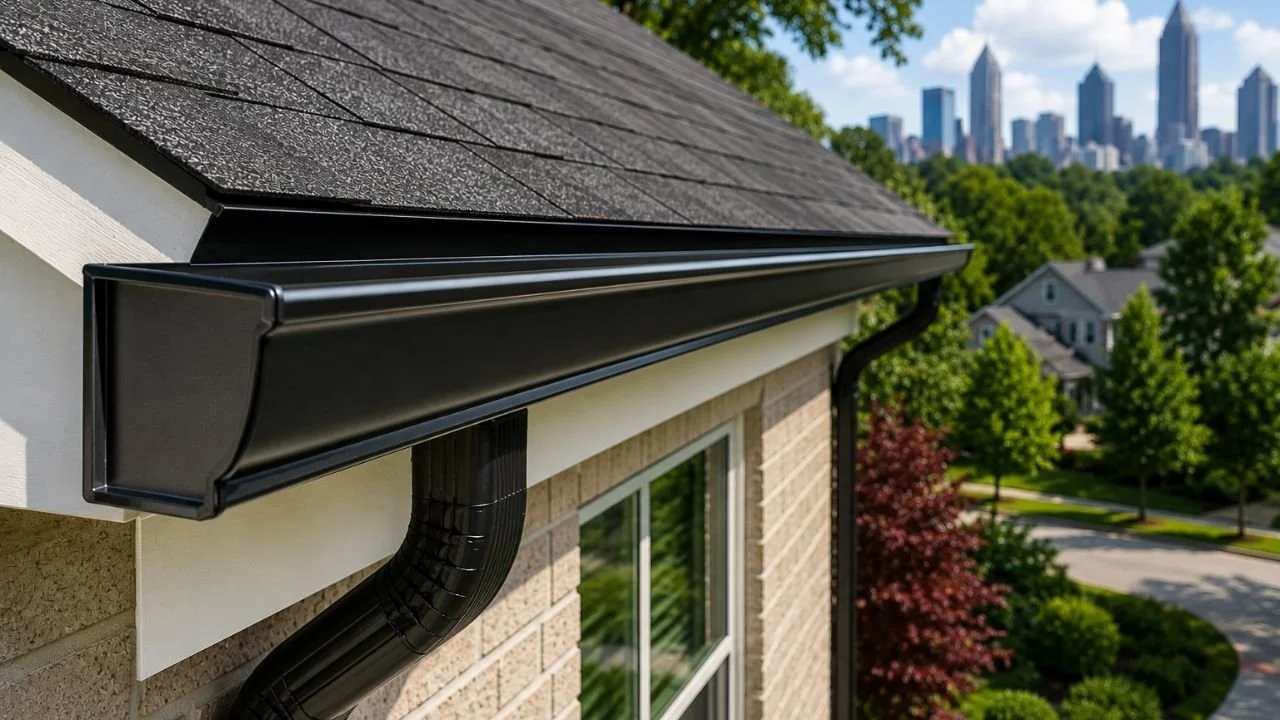
For most Atlanta homes, seamless gutters are the better long-term choice. They have fewer joints, fit the roof more closely, and leave fewer places for rainwater to leak. Sectional gutters cost less at first, but their joined pieces may loosen or crack as the years pass.
Georgia weather makes this choice more important. A calm morning can turn into a hard storm by noon. Heavy rain, pine straw, oak leaves, pollen, and heat all strain the gutter system. One weak joint can send water down the siding or toward the foundation.
Sectional gutters can still work well on a shed, porch, or small DIY project. For a full home, look beyond the upfront price. This guide compares seamless vs sectional gutters so Atlanta homeowners can choose a system that handles local weather and protects the home for years.
Seamless vs Sectional Gutters: What Is the Difference?
Seamless gutters are made to fit the home. A crew brings a roll-forming tool. It checks each roof run. It then shapes long metal pieces on site. The system still needs joints at corners, end caps, and outlets. Straight runs have few seams.
Sectional gutters come in short, pre-cut pieces. Many store parts are about 10 feet long. They join with clips, screws, or seals. This makes them easy to buy and fit by hand.
Why does that small design change matter? Heat, cold, wind, and roof shifts can pull at each joint. A seal that looks fine in May may drip when a July storm hits.
The main differences are easy to scan:
Install: Seamless gutters need special gear and a trained crew. Sectional parts are easier to fit by hand.
Leaks: Seamless runs have fewer weak spots. Sectional seals can dry, crack, or pull loose.
Clogs: Smooth runs give grit and leave fewer edges to catch. Joints can trap pine straw and roof grit.
Life: Metal, fit, and care set the lifespan. Good aluminium gutters can last for decades.
Cost: Sectional gutters cost less up front. Seamless gutters cost more due to on-site work and custom fit.
Why Atlanta Weather Raises the Stakes
Atlanta rain can go from a soft tap to a roof drum in minutes. Water then rushes off steep roof slopes at once. A gutter may be too small, too flat, or full of pine straw. Then it may spill like a tipped pail.
That spill can stain siding and wash out beds. It can also pool near a slab or crawl space. UGA tells homeowners to keep gutters clear. It also says to send water away from the base of the home.
So, which type is best for local weather? In most cases, the seamless vs sectional gutters choice comes down to fewer leak points, sound size, and skilled fit. These seven tips show what to check before money changes hands.
1. Count Seams Before You Count Savings
Each seam needs a tight seal and firm support. A long roof run may need many sectional joins. Seamless runs cut most of them. That means fewer spots for drips to start.
Watch the home in real rain. Is one joint wet on the low side? Is mulch washed out below the same spot? These clues can show a weak seam before rot starts.
2. Match Gutter Size to the Roof
A large or steep roof can shed a lot of water fast. A basic gutter may look fine on a clear day. Yet it may spill in a hard storm. Size should match the roof area, slope, outlets, and rain load.
This is one reason a site check has value. A pro can trace the path from roof edge to yard. A wide gutter alone will not fix a poor outlet plan.
3. Compare Like With Like on Cost
When weighing seamless vs sectional gutters, compare the full job. People who search seamless gutters vs regular gutters often see two prices for two different scopes. One quote may use thin metal or small downspouts. The other may include tear-off, fascia checks, and clean-up.
Ask what each quote covers:
Metal type and thickness
Gutter size and shape
Hanger type and spacing
Number and size of downspouts
Old gutter removal
Fascia or soffit repair
Labor and written warranty
Sectional parts are cheaper off the shelf. But leaks, new seals, and repeat ladder work have a cost too. The best deal is the system that works through many wet seasons.
4. Get the Pitch Right
A gutter needs a slight fall toward its outlet. Too flat? Water sits with pollen and roof grit. Too steep? The run may look poor. It may also send water past the outlet.
Long runs may need more than one downspout. Old fascia may bow or dip. A skilled installer can mark a true line. A roof edge may only look straight.
5. Plan the End of the Water Path
A sound gutter can still fail if the downspout dumps at the wall. Water needs a clear route away from steps, beds, and low spots. It must also move away from the base of the home. In red clay, that may call for a long extension or drain.
Walk the yard after a storm. Does one corner turn to mud? Does mulch float back toward the brick? Fix the endpoint, not just the roof edge.
6. Plan for Atlanta’s Trees
Atlanta is known for its tree cover. Gutters catch the proof. Pine straw can weave into a tight mat. Oak leaves can block an outlet in one windy night.
Use a plain care plan:
Check after spring pollen and seed drop.
Clear leaves in late fall.
Look for dents after hail or high wind.
Watch each downspout during rain.
Fix sag, drips, and spills at once.
Even seamless gutters need care. Fewer seams do mean no clogs. Guards may help, but the right type must match the roof, trees, and debris.
7. Treat the Install as Part of the Product
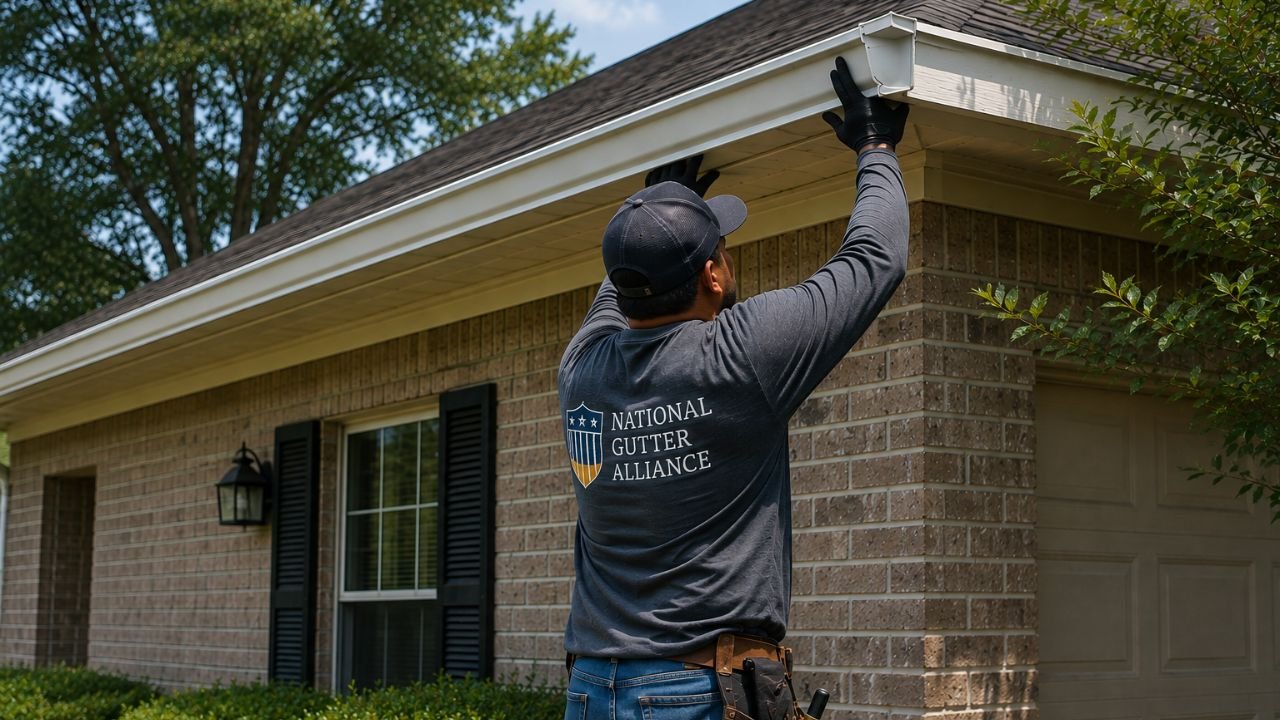
Is a pro worth the added cost? For a full Atlanta home, the answer is often yes. The crew must check the fascia. It must form each run. It must set the pitch. It must place hangers, seal corners, and test flow.
That is why professional gutter installation is more than hanging a metal trough. It is a water plan for the roof, siding, beds, and home base. One poor slope can undo a great product.
Which Gutter Type Fits Your Home?
Choose sectional gutters for a small, low, easy-to-reach job. A shed or short porch can be a fair DIY task. Be sure the joints, pitch, ladder set-up, and water exit are safe.
Choose seamless gutters for long runs or two-story homes. They also suit thick tree cover and past spill marks. They give a clean fit and fewer mid-run leak points. That can mean less patch work as the years pass.
The final seamless vs sectional gutters choice should follow a real site check. We at National Gutter Alliance offer custom seamless systems and pro gutter service. Its quote can match the home’s roof and drain path. Ask for clear facts on size, metal, downspouts, fascia work, labor, and warranty.
Atlanta rain will find the weak spot that a dry-day glance can miss. When the next storm hits, will the water follow a sound path away from the home, or make its own?
