

Rain Gutter Sizes Guide for U.S. Home Water Management Systems

Rain gutter sizes in the U.S. usually come down to just two options: 5-inch and 6-inch systems. 5-inch gutters work well for most average homes. 6-inch gutters are used when roofs are bigger, or rainfall is heavier. It may not look like a big difference, but it changes how the whole system handles water. Too small, and rain spills over. Too large, and the system handles storms more safely.
Rain also doesn’t behave the same across the U.S. A light shower in Arizona is very different from a heavy Gulf Coast storm. That’s why gutter size is really about controlling water, not just measuring it.
What Are Standard Rain Gutter Sizes in the U.S.?
Most residential homes in the U.S. use two main systems.
Common rain gutter sizes:
5-inch K-style gutters (standard residential use)
6-inch K-style gutters (high-capacity residential systems)
2x3-inch downspouts (typical pairing for 5-inch gutters)
3x4-inch downspouts (recommended for 6-inch gutters)
Rain gutter sizes in inches directly affect how much water the system can handle during peak storms. Even a one-inch upgrade significantly increases water flow capacity.
Simple rule used by professionals:
Larger roof + heavier rainfall = larger gutter system
Why Rain Gutter Sizes Matter for U.S. Homes
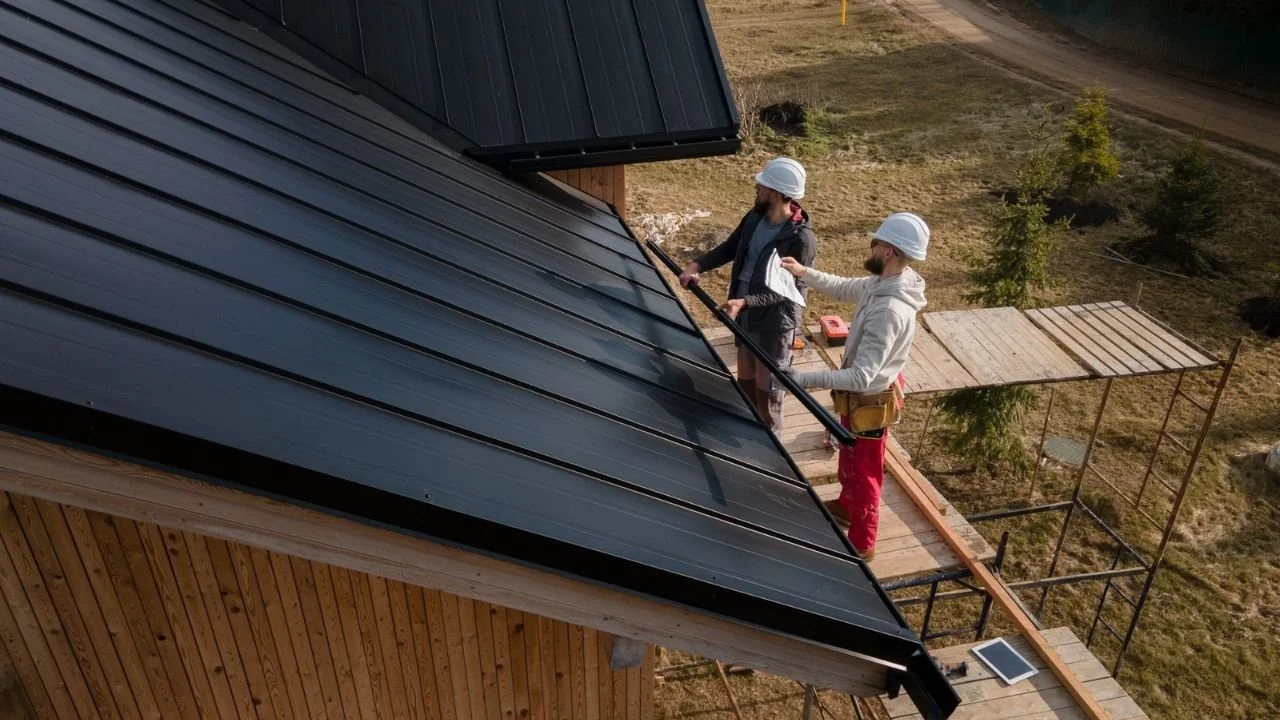
Water is simple, but behavior under pressure is not. When gutters are undersized, water does not stop. It overflows, runs down siding, collects near the foundation, and slowly creates long-term structural stress.
Across the U.S., this problem shows up differently:
Sudden storms in the Southeast
Snowmelt overflow in the Midwest
Long rainfall cycles in the Northeast
Flash rain bursts in the Southwest
Each region demands a different approach to sizing and flow control.
Rain Gutter Sizes Comparison Table (Decision Guide)
This is where most homeowners get clarity fast.
Residential gutter sizing guide:
Feature: Roof Size
Rainfall Level: Small (<1,500 sq ft) – Light to Moderate
Recommended Gutter Size: 5-inch
Downspout: 2×3 inch
Feature: Roof Size
RainfallLevel: Medium (1,500–2,500 sq ft) – Moderate
Recommended Gutter Size: 5-inch or 6-inch
Downspout: 2×3 or 3×4
Feature: Roof Size
Rainfall Level: Large (2,500+ sq ft) – Heavy rainfall areas
Recommended Gutter Size: 6-inch
Downspout: 3×4 inch
Feature: Roof Size
Rainfall Level: Steep roof designs – Any rainfall level
Recommended Gutter Size: 6-inch preferred
Downspout: Multiple downspouts
This is where most sizing mistakes happen. A roof that looks normal can still require a larger system depending on slope and rainfall intensity.
5-Inch vs 6-Inch Rain Gutter Sizes Explained
This is the most important decision point for most homes.
5-inch gutters
These are common in older homes and smaller residential setups. They work well in mild to moderate rainfall areas, but they reach capacity faster during heavy storms.
6-inch gutters
These are designed for higher water volume. They reduce overflow risk and handle sudden rainfall bursts more efficiently.
A simple way to think about it is this:5-inch gutters manage normal rain.6-inch gutters manage unpredictable rain.
The Role of Downspouts in Rain Gutter Sizes
Even the best gutter size fails if water has nowhere to go. Downspouts control discharge speed and are often the hidden cause of overflow issues.
Standard pairing logic:
5-inch gutters → 2x3 inch downspouts
6-inch gutters → 3x4 inch downspouts
When mismatched, water backs up inside the gutter system. That creates overflow even if the gutter size itself is correct. Professionals often increase downspout count before increasing gutter size, depending on roof design.
Regional Water Management Across the U.S.
Rain gutter sizing changes significantly based on geography.
Southeast U.S.
Heavy rainfall and tropical storms require larger systems. 6-inch gutters are often the safer choice.
Midwest
Snowmelt creates sustained water flow rather than quick bursts. Balanced systems with strong downspouts perform best.
Northeast
Seasonal storms and leaf buildup require systems that prioritize flow and maintenance balance.
Southwest
Short but intense rainfall events demand fast drainage capacity.
This is why rain gutter sizes cannot be standardized across all homes.
Why Professional Sizing Matters More Than Estimates

Most gutter failures do not come from poor materials. They come from incorrect sizing decisions made without real water flow calculations. A homeowner might ask, “Is one size difference really important?” The answer becomes obvious during the first heavy storm.
Professional evaluation includes:
Roof surface area and pitch
Local rainfall intensity data
Drainage path efficiency
Overflow risk zones
Long-term debris impact
This is where service providers like National Gutter Alliance bring value beyond installation alone.
Why Contractors and Homeowners Trust National Gutter Alliance
National Gutter Alliance delivers reliable, insured gutter and water management solutions across U.S. homes, setting a standard for precision, performance, and long-term protection.
Professionals Who Know Your Region
NGA sources installers locally, meaning each project is handled by professionals who understand regional rainfall behavior and environmental conditions. That local knowledge improves installation accuracy and system performance.
Tied to the Best in the Industry
NGA works directly with leading gutter protection manufacturers. This ensures every system meets high durability and performance standards designed for long-term water control.
Full Insurance on Every Property
Every installation is fully insured, protecting homeowners during installation and after completion. This removes risk and builds trust in every project.
One Year, No Questions Asked
NGA provides a 1-year performance guarantee. If something does not perform as expected, it is corrected without complication. That accountability strengthens long-term reliability.
What Most Homeowners Miss About Rain Gutter Sizes
One overlooked factor is how roof shape changes everything. Two homes with identical square footage can require different gutter systems depending on slope, valleys, and drainage flow patterns.
Another issue is long-term buildup. Leaves and debris slowly reduce capacity, turning a correct-size system into an underperforming one over time. A simple question often reveals the real issue: Will this system still perform during the heaviest storm of the year without failure?
Rain does not ask permission before it arrives. It only follows gravity and path. Somewhere between roof edge and ground level, the real difference between damage and protection often comes down to a simple choice made long before the storm begins.
FAQs About Rain Gutter Sizes in the U.S.
What is the standard rain gutter size in the U.S.?
Most homes in the U.S. run on either 5-inch or 6-inch K-style gutters. You’ll see 5-inch gutters on a lot of regular houses because they handle normal rainfall just fine. But once the roof gets bigger or the area sees heavier storms, 6-inch gutters become the safer pick. It usually comes down to this simple thing: more roof or more rain means you need more room for water to move.
Are 6-inch gutters actually better than 5-inch gutters?
Not really better in every situation, just more forgiving when the weather gets rough. A 6-inch gutter can take in a lot more water at once. So when a storm hits fast and hard, it’s less likely to spill over the edge. That’s why you’ll often see them on bigger homes or in places where storms don’t mess around.
But 5-inch gutters are still solid. If the roof is smaller and rain isn’t extreme, they do the job without any issue. It’s less about upgrading and more about matching the house.
What size gutters work best for heavy rain areas?
In heavy rain regions, most pros lean toward 6-inch gutters with 3x4 downspouts. The reason is pretty simple. Heavy rain doesn’t fall gently. It hits fast, and it dumps a lot of water in a short time. Smaller gutters can fill up quicker than people expect, and that’s when overflow starts. The wider system just gives everything more breathing room.
How are rain gutter sizes measured?
They’re measured by the width of the opening at the top. So when someone says 5-inch or 6-inch gutters, they’re talking about how wide the gutter is across the top, not how deep it is. That one inch doesn’t sound like much, but in real rain, it makes a noticeable difference in how much water can move through the system.
Do bigger roofs need bigger gutters?
Most of the time, yes. A bigger roof collects more rainwater, and that water all comes down at once during a storm. If the gutter is too small, it just can’t keep up.
But it’s not only about size. Roof shape matters too. Steeper roofs push water faster. Long rooflines send more water to certain points. Even the way valleys are cut can change how the system behaves. So two homes that look similar can still need different gutter sizes.
